


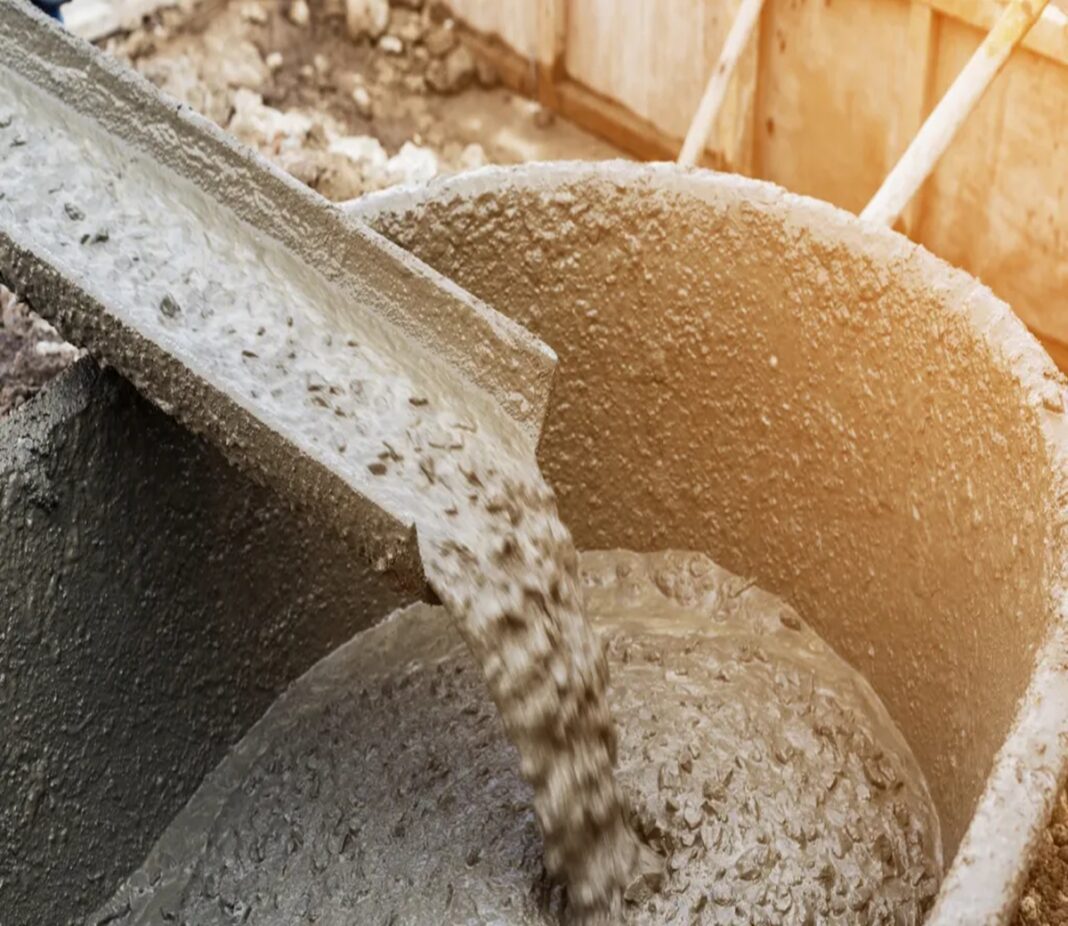
Indian scientists are advancing sustainable building solutions by repurposing municipal waste into high-performance construction materials. Scientific disclosures reveal that researchers use treated human waste biochar to significantly enhance structural concrete durability while also addressing urban sanitation challenges.
Researchers obtained treated fecal sludge from municipal treatment facilities and subjected the material to pyrolysis. Heating dried sludge at temperatures between three hundred fifty and four hundred fifty degrees Celsius in a low-oxygen environment produces nutrient-rich biochar. Engineers ground this biochar into a fine powder and replaced five, ten, and fifteen percent of traditional cement in test concrete batches.
What Concrete Gains Did Indian Scientists Observe?
Experimental results showed that replacing 10% of cement with biochar increased flexural strength by 42% and compressive strength by 21% after 91 days of curing. Indian scientists found that porous biochar absorbs water initially and gradually releases moisture, supporting continued hydration. Its silica content also forms strength-enhancing compounds, helping densify the microscopic concrete structure.
Portland cement production accounts for a massive portion of global carbon dioxide emissions. Partially replacing cement with waste-derived biochar lowers carbon footprints, conserves natural raw materials, and provides a safe, productive outlet for treated municipal sewage. Further testing will evaluate material performance under extreme temperature variations, freezing cycles, and long-term environmental exposure before commercial building integration occurs.
Converting urban biological waste into durable building infrastructure showcases modern green engineering. Sustainable material innovations pave the way for eco-friendly construction standards worldwide.
