


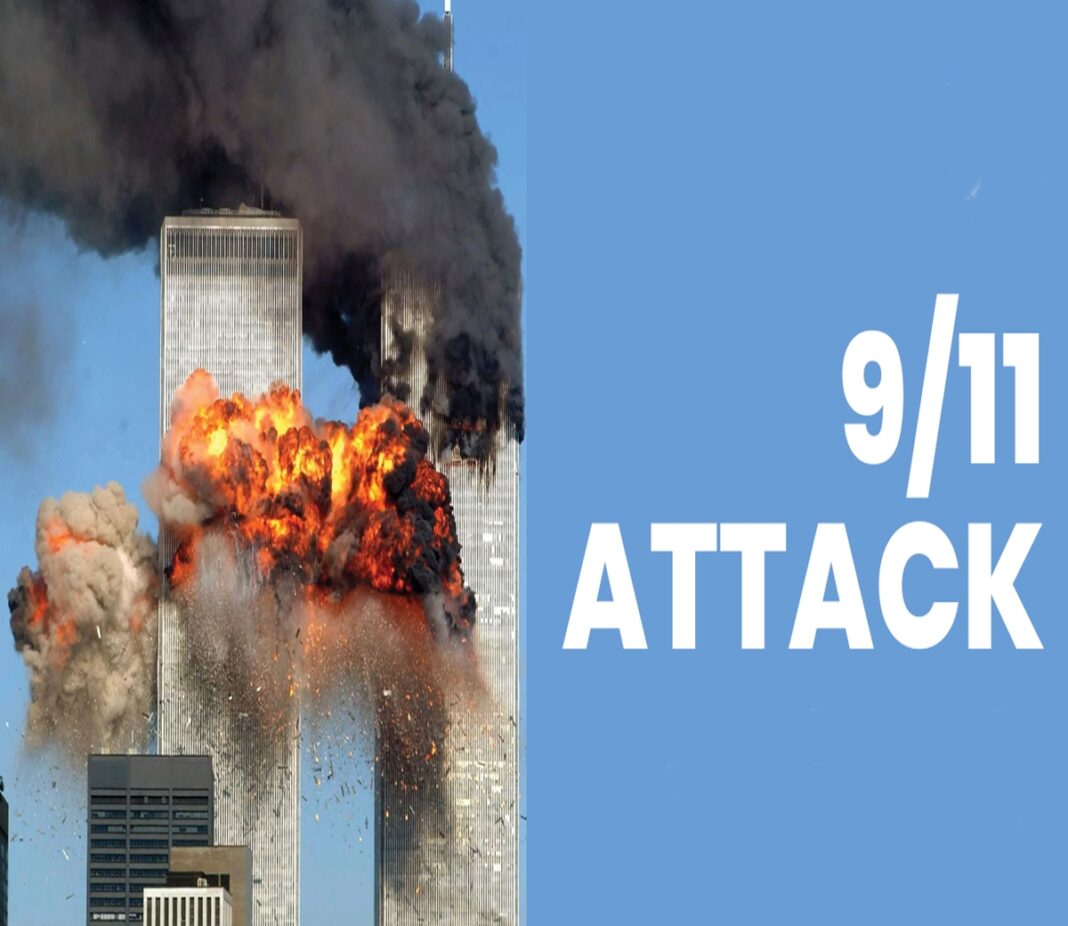
The September 11 (9/11) terrorist attacks initially fostered unprecedented unity between Russia and Western nations against global terrorism. Russian President Vladimir Putin offered immediate intelligence support, opened airspace, and assisted United States military deployment in Central Asia. However, this brief strategic honeymoon crumbled by 2003 over mismatched expectations, NATO expansion, and the US invasion of Iraq. Divergent geopolitical interests replaced early counterterrorism cooperation, permanently reshaping relations between Moscow and Western capitals over subsequent decades.
The September 11 terrorist attacks permanently reshaped international diplomacy, creating a brief window of unexpected solidarity between Moscow and Washington. Examining how 9 11 impacted Russia West ties reveals how early counterterrorism collaboration quickly gave way to structural strategic disagreements.
What Was Russia’s Immediate Response To 9/11?
Russian President Vladimir Putin was among the first world leaders to call Washington, offering immediate assistance to President George W. Bush after 9/11 attacks. Moscow provided critical intelligence regarding Afghanistan, granted airspace access for humanitarian missions, and supported American military logistics across post-Soviet Central Asian republics to defeat shared extremist threats.
The initial anti-terrorist alignment unravelled due to fundamental mismatches in strategic expectations. Moscow viewed its assistance as a bridge toward equal partnership, expecting Western acceptance of its regional influence and an end to NATO expansion. Conversely, Western leaders viewed the relationship as a tactical partnership limited strictly to immediate counterterrorism goals in Afghanistan.
The 2003 United States invasion of Iraq marked a major turning point, drawing strong opposition from Russia and disrupting diplomatic trust. Subsequent NATO enlargements into Eastern Europe and Western support for regional political shifts further convinced Moscow that Western foreign policy directly disregarded core Russian security interests.
The legacy of the post-9/11 era highlights the limits of single-issue security alliances in global politics. While shared anti-terror goals briefly brought former Cold War rivals together, conflicting geopolitical ambitions ultimately reshaped international relations, setting the stage for enduring diplomatic friction between Russia and the West.
