


Fiber intake plays a key role in balanced nutrition, extending beyond protein consumption to provide vital plant-based nutrients that support metabolic function. Leading dietitians recommend practical meal modifications and simple ways to increase Fiber intake without requiring major or complex dietary changes.
Fiber acts as a non-digestible carbohydrate that passes through the digestive tract, feeding beneficial gut microbes and aiding smooth bowel movements. Clinical research confirms that consuming adequate daily Fiber regulates blood sugar spikes, lowers bad cholesterol, aids sustainable weight management, and significantly reduces long-term risks for cardiovascular disease and type 2 diabetes.
How Can Smart Snacking Boost Fiber Intake?
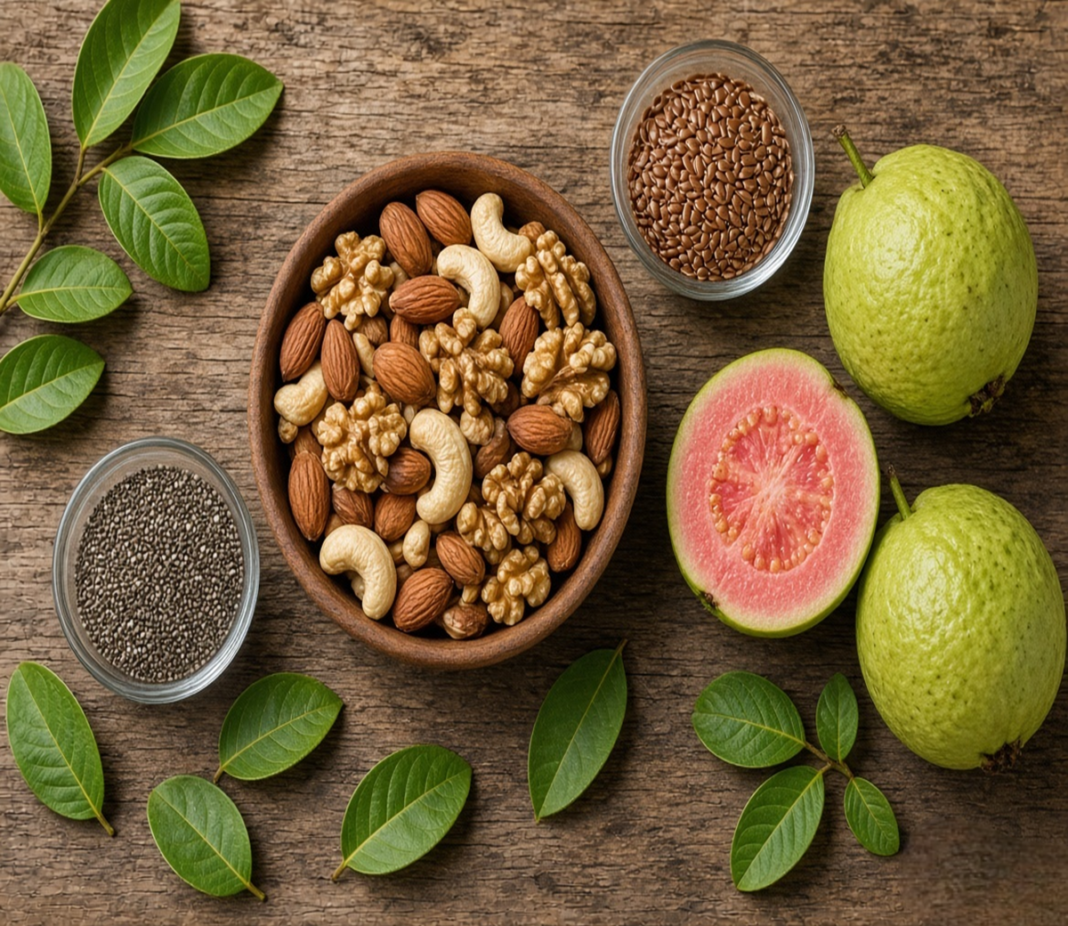
Replacing processed items with nutrient-dense options like raw nuts, chia seeds, flaxseeds, and fresh whole fruits like guavas provides an immediate Fiber boost. Snacking on roasted chickpeas, air-popped popcorn, or fresh vegetable sticks paired with hummus delivers sustained energy while keeping daily digestive processes operating efficiently.
Home cooks can boost meal fiber density by adding lentils, kidney beans, and chickpeas to daily soups, salads, curries, and grain bowls. Swapping refined white flour for whole wheat, quinoa, oats, or millets ensures that every meal provides a balanced mix of soluble and insoluble Fiber required for optimal health.
Adopting these simple dietary habits allows individuals to comfortably achieve recommended daily nutrition targets. By focusing on whole plant foods, smart snacks, and legume-rich dishes, consumers protect their digestive systems and build long-term metabolic resilience.
