


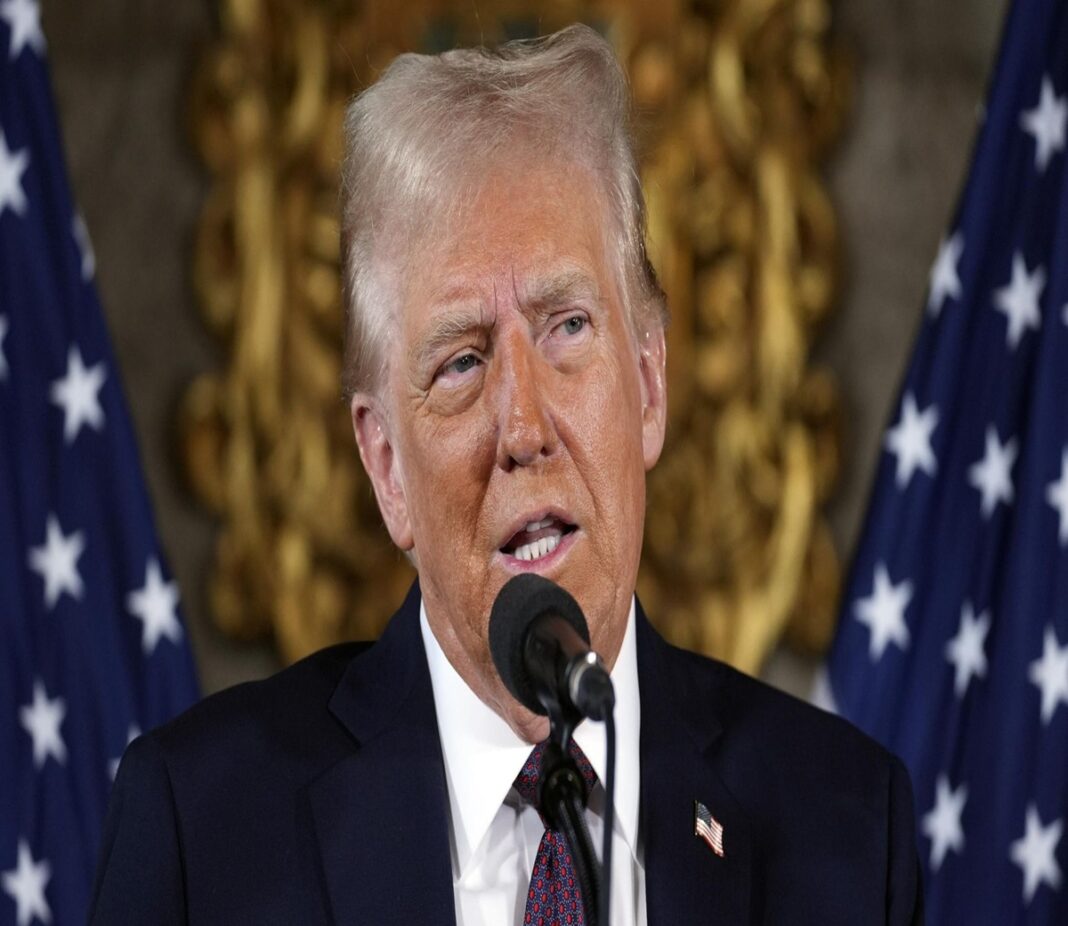
Donald Trump and senior White House advisers, along with inter-agency officials, are developing an ambitious, multi-pronged diplomatic roadmap to reshape post-war international relations across the region. Recent reports confirm that the Trump administration’s Middle East reset policies seek to consolidate security partnerships and normalize diplomatic ties once major active military conflicts subside.
The foundational pillar of the emerging framework involves establishing a unified defensive alignment among regional partners, with Washington acting as a formal security guarantor. Rather than relying strictly on separate bilateral military agreements, the administration intends to build a cohesive security network designed to deter regional proxy threats and limit Tehran’s strategic reach.
What Is Trump’s Post-War Middle East Plan?
The comprehensive draft framework backed by Donald Trump addresses multiple ongoing diplomatic challenges simultaneously. Key components include advancing the next phase of the Gaza administration plan, securing a long-term border agreement between Israel and Syria, implementing established security arrangements with Lebanon, and accelerating broader diplomatic integration across Arab capitals.
Expanding diplomatic normalization between Israel and its Arab neighbors remains a centerpiece of the broader post-war initiative. White House negotiators are prioritizing a historic normalization pact between Israel and Saudi Arabia, which officials view as crucial for establishing permanent economic growth and long-term regional stability.
While senior political advisers continue to refine specific proposals, timing considerations around upcoming elections in both Israel and the United States remain influential factors. Nevertheless, administration officials stress that establishing a structured regional alliance will define Washington’s overarching diplomatic approach moving forward.
