


Countries around the world often defy standard expectations when national governance functions extend beyond a single metropolitan center. Travelers exploring international destinations frequently discover that countries with more than one capital divide executive, legislative, and judicial branches across distinct regional urban hubs.
Governments establish multiple capital centers due to historic political compromises, regional representation demands, or modern urban congestion challenges. South Africa serves as the ultimate example, splitting power among Pretoria as administrative, Cape Town as legislative, and Bloemfontein as judicial capitals. Similarly, Bolivia divides constitutional and judicial authority in historic Sucre while running daily executive operations from high-altitude La Paz.
Which Countries Have More Than One Capital City?
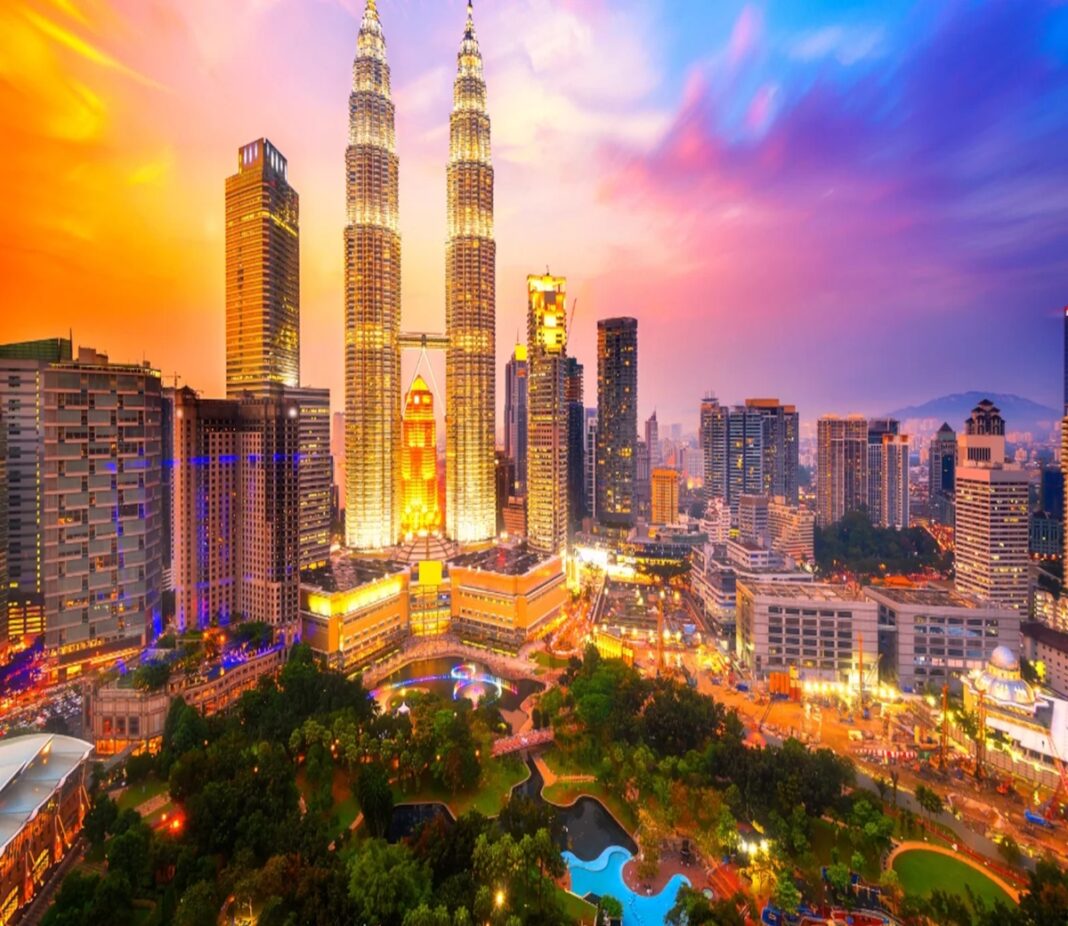
Countries including the Netherlands, Malaysia, and Sri Lanka divide national responsibilities between prominent cities. The Netherlands has Amsterdam as its constitutional capital while parliament and international courts are based in The Hague. Malaysia conducts federal administration in Putrajaya while Kuala Lumpur remains its royal and financial hub. Sri Lanka pairs Colombo with administrative capital Sri Jayawardenepura Kotte.
Exploring nations with divided capital functions allows travelers to experience contrasting architectural styles, local traditions, and urban atmospheres within a single country. Visitors can wander through historical colonial streets in one capital before experiencing modern civic planning and governance infrastructure in another.
Understanding multi-capital governance enriches global travel experiences and reveals how geography shapes political history. Planning trips around these interconnected metropolitan centers offers deep insights into national identity and administrative heritage.
