


US geopolitical tensions escalated dramatically across the Middle East following retaliatory strikes targeting military infrastructure in Jordan. Official defense reports confirm US fighter jets suffered varying levels of structural damage during an overnight ballistic missile bombardment against Muwaffaq Salti Air Base near Al Azraq.
Iran’s Islamic Revolutionary Guard Corps launched heavy missile strikes against the strategic facility following recent American military actions against Iranian oil tankers in the region. The White House confirmed taking responsibility for targeting crude oil carriers in response to recurring maritime harassment. Declaring the operation a punitive action, Tehran aimed ballistic missiles at technical maintenance facilities, flight lines, and deployment positions housing American air combat squadrons stationed across the kingdom.
Which US Aircraft Were Damaged In The Attack?
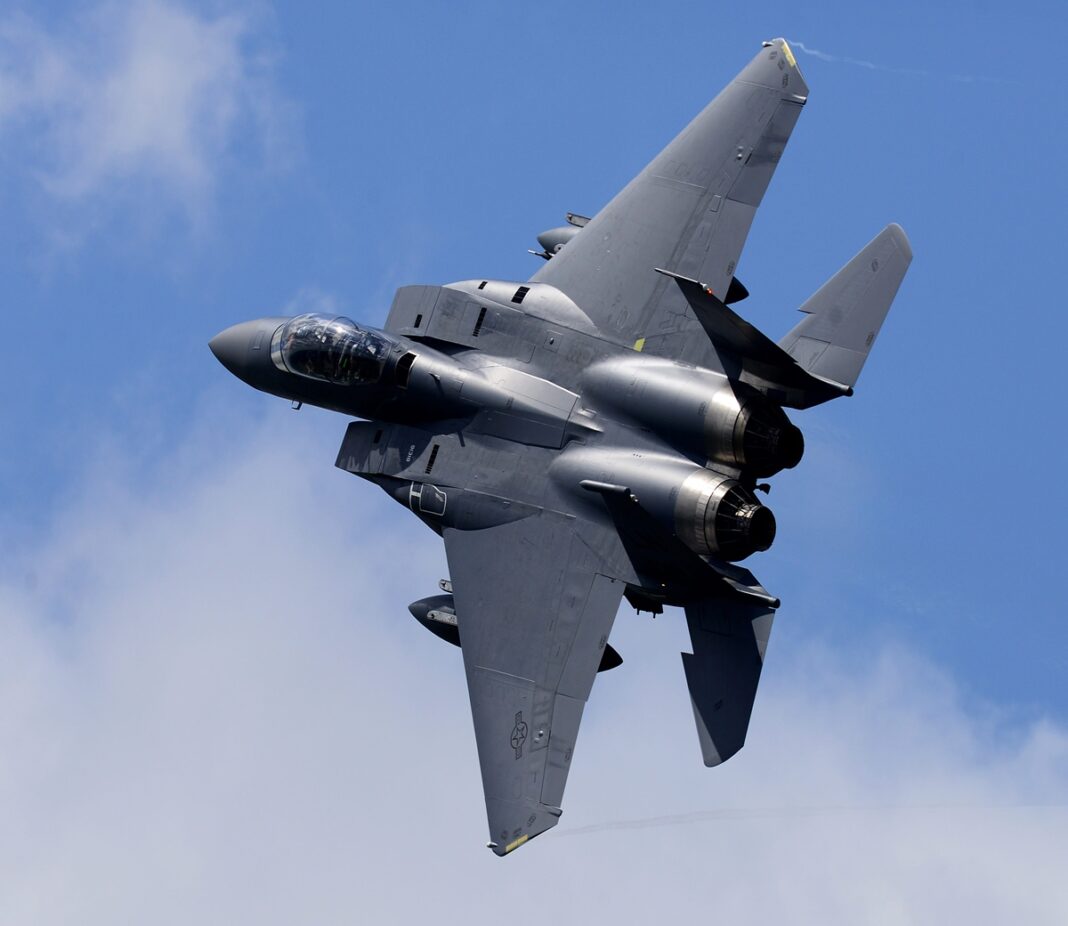
Intelligence dispatches report that eight US F-15 fighter jets sustained minor damage, though ground crews repaired the aircraft and restored them to operational status shortly after. However, a US A-10 Thunderbolt attack aircraft suffered major structural destruction, with field reports confirming a missing wing. US air defense units deployed over 30 Patriot missiles to counter the incoming barrage. Jordanian military officials confirmed intercepting 18 of 20 incoming missiles, with two falling in unpopulated areas and causing no casualties.
While affected F-15 airframes resumed active operations quickly, severe damage to specialized attack aircraft highlights growing vulnerabilities facing forward-deployed military bases. Defense analysts warn that continued missile exchanges threaten critical energy shipping corridors and military supply lines across the region.
Maintaining effective air defense systems remains vital for protecting forward operating bases. Escalating military engagements continue driving instability across regional security networks.
