


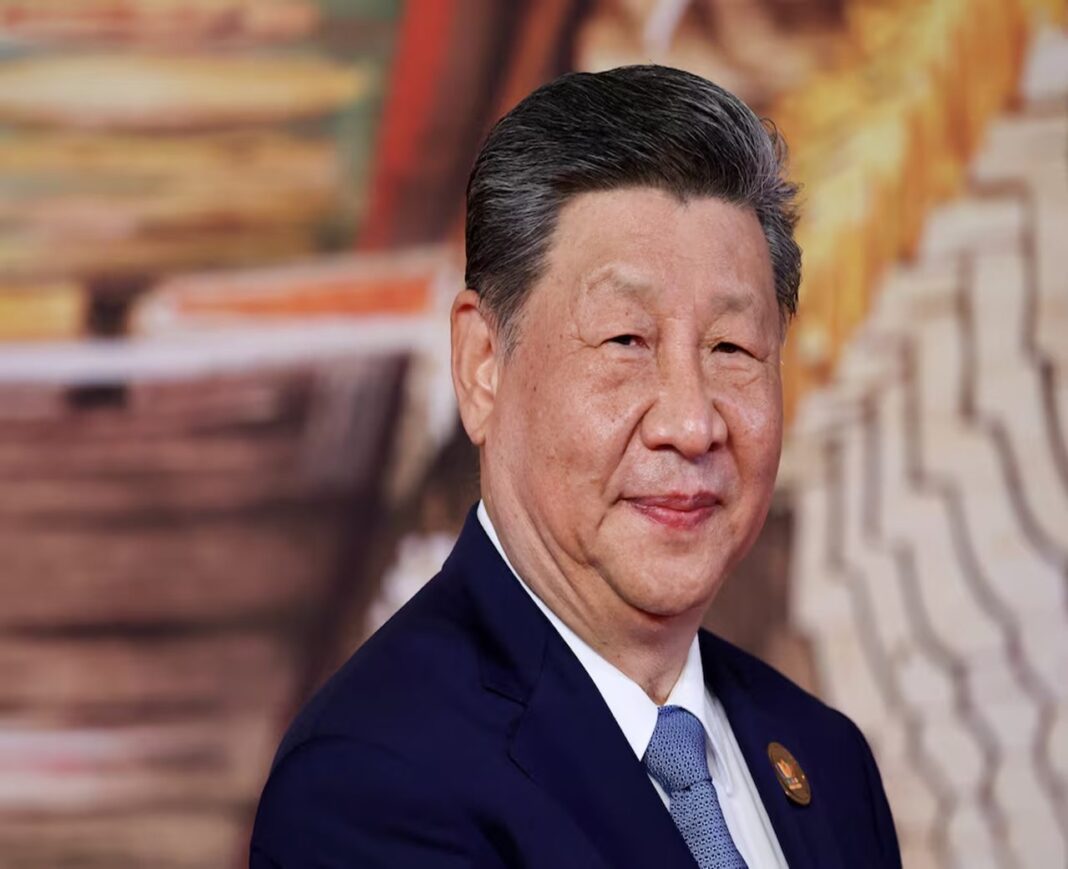
Chinese President Xi Jinping urges US President Donald Trump to halt military sales to Taiwan as both leaders prepare for critical bilateral discussions in Washington. Beijing insists that continued American weapons transfers violate the third US-China Joint Communique signed in 1982. In that historic agreement, Washington expressed its intention to gradually reduce weapons sales to Taipei. China views the self-governed island as its own territory and considers arms shipments a direct violation of its national sovereignty.
Beijing argues that the 1982 communique obligates the United States to phase out weapons deliveries completely over time. Conversely, American officials emphasize that U.S. policy relies on the Taiwan Relations Act alongside the Six Assurances. These legal frameworks mandate that Washington provide Taiwan with defensive weapons regardless of Chinese objections.
Xi Confronts New Challenges in US-China Relations
Xi is expected to press President Trump to halt US military assistance to Taiwan, as some recent deliveries remain on hold amid ongoing economic negotiations. Chinese officials suggest that suspending defense support could create space for broader US-China cooperation, including diplomatic efforts on Middle Eastern conflicts. However, US lawmakers oppose linking regional security arrangements to wider foreign policy negotiations.
How will the upcoming diplomatic summit influence Asia-Pacific stability? Defense analysts suggest that any shift in American arms policy could alter deterrence dynamics across the Taiwan Strait. While Beijing demands immediate cessation of ongoing transfers, Taipei continues requesting advanced defense technology to preserve regional peace. The outcome of the talks between President Xi and President Trump will shape long-term security alignments across the Indo-Pacific region.
