


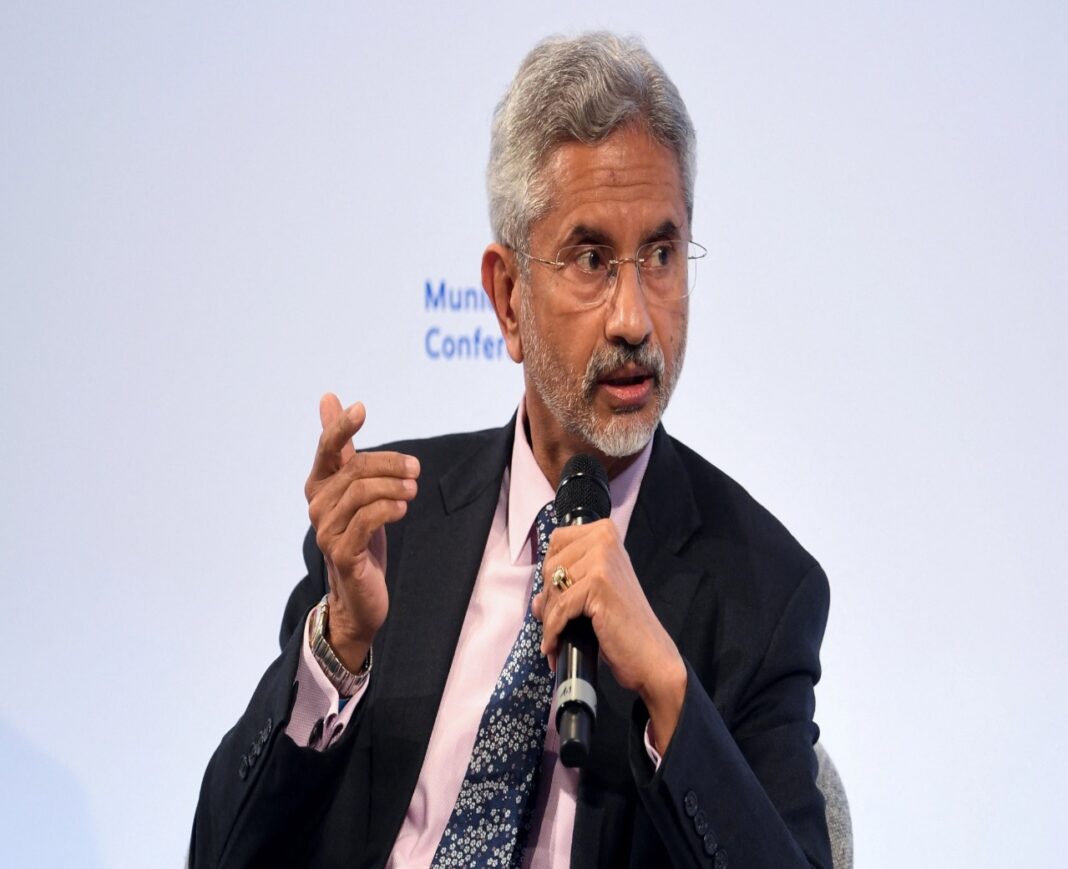
Jaishankar raised India’s concerns over the Russian oil tariff issue during his meeting with US Secretary of State Marco Rubio on the sidelines of the United Nations General Assembly in New York. The discussion focused on a US law that authorises tariffs of up to 100% on major buyers of Russian energy, potentially affecting bilateral trade and global energy markets.
The Lindsey O Graham Sanctioning Russia and Iran Act of 2026 gives the US president authority to impose tariffs of up to 100% on goods from countries that are among the largest buyers of Russian oil. The legislation does not automatically impose the maximum tariff; the president retains discretion over whether and how the power is used.
Jaishankar Explains India’s Concerns Over Tariffs
Jaishankar highlighted India’s concerns that the measures could affect India-US bilateral relations and global energy markets. India has maintained that its Russian oil purchases are driven by energy security needs. Jaishankar’s discussions come as the Russian oil tariff issue creates friction in bilateral ties, with India remaining a significant buyer of Russian crude. The US law gives Washington another mechanism to pressure countries purchasing Russian energy as part of efforts to increase economic pressure on Moscow.
Their UNGA meeting covered the Russian oil tariff concerns as well as developments in Ukraine and the Middle East. The meeting came amid broader discussions between India and the US on trade, energy, defence and strategic cooperation.The Russian oil tariff issue also has wider implications because changes in purchases by major importers could affect global crude flows, prices and energy-market dynamics. India has therefore highlighted both the bilateral and wider economic dimensions of the proposed measures.
For now, the law provides tariff authority rather than automatically applying a 100% duty to Indian goods. The potential impact will depend on how the US administration chooses to exercise that authority.
