


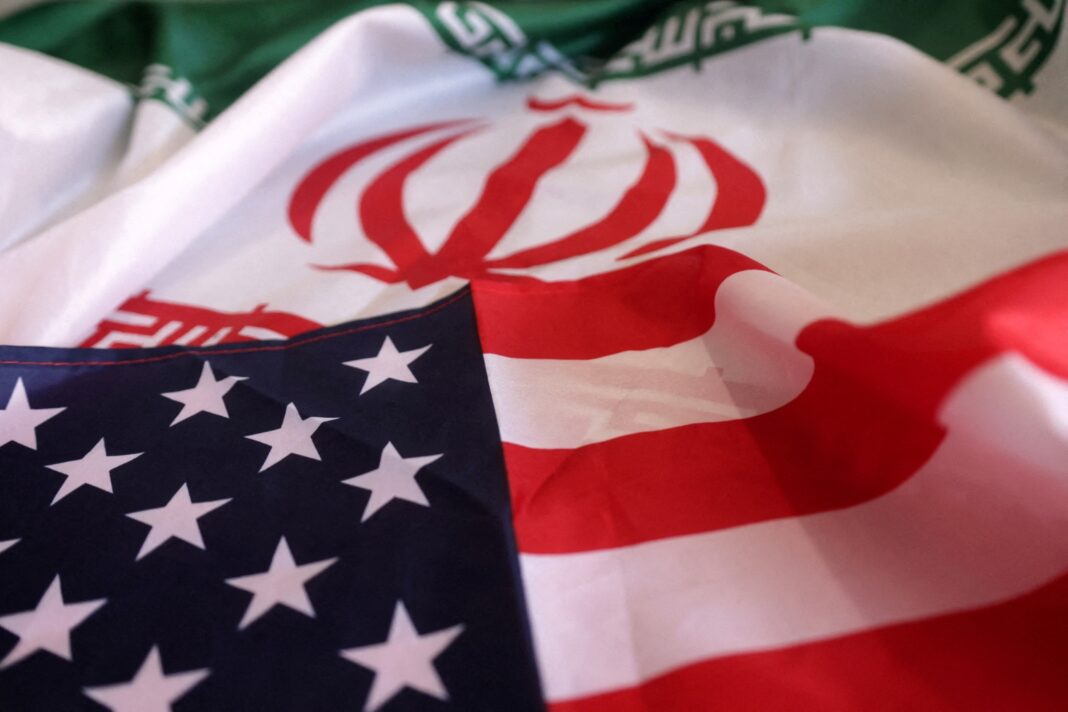
US-Iran shuttle talks have raised fresh hopes for diplomatic progress after months of conflict, with American and Iranian officials communicating through mediators during the United Nations General Assembly in New York on today. The contacts were the first such talks since an interim ceasefire agreement collapsed in July.
Iranian Foreign Minister Abbas Araqchi and US envoys Steve Witkoff and Jared Kushner communicated through mediators rather than meeting face to face. Iran used Qatar as an intermediary, while Tehran conveyed demands that the war end on all fronts and that US “acts of aggression” stop.
US-Iran Talks Gain Momentum As Positions Stay Firm
US-Iran talks have sparked fresh hopes for a possible deal, with President Donald Trump describing the discussions as productive and saying he saw “a lot of momentum.” However, neither Washington nor Tehran has announced any shift in their core positions. Iranian officials also dismissed reports of a direct meeting between Abbas Araqchi and Steve Witkoff, saying the reports were incorrect.
The diplomatic opening has also affected energy markets. Brent crude remained near a two-week low, below $100 a barrel, as traders assessed the possibility of reduced regional tensions. The Strait of Hormuz remains central to the dispute because it is a major route for global oil and liquefied natural gas shipments.
A successful diplomatic process could address the war, sanctions, Iran’s nuclear programme and disputes over shipping through Hormuz. But major disagreements remain. A June interim agreement unraveled over shipping rules, while Washington has maintained a blockade on Iranian ports and Iran says it will not reopen the strait until the blockade is lifted.
