


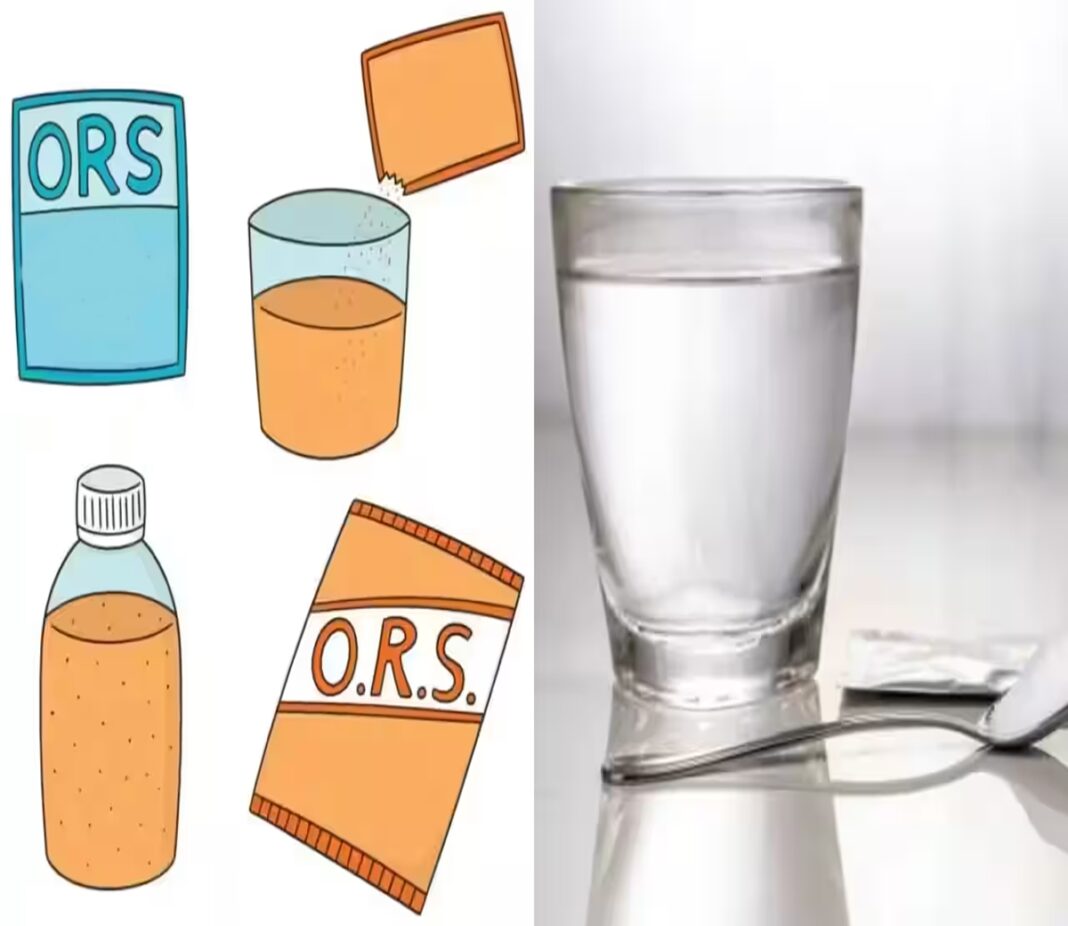
ORS plays a crucial role in managing diarrheal dehydration, with healthcare professionals emphasizing strict adherence to standardized clinical guidelines. Medical studies show that correct oral rehydration solution preparation determines whether patients recover quickly or experience exacerbated fluid loss.
The World Health Organization (WHO) oral rehydration salts formula relies on a calibrated ratio of glucose and essential sodium-potassium electrolytes. This balanced concentration activates the intestine’s sodium-glucose co-transport mechanism, enabling rapid fluid absorption even during active diarrheal episodes. Altering the prescribed water volume alters solution osmolarity, directly compromising its therapeutic capacity.
What ORS Preparation Errors Can Be Dangerous?
Caregivers frequently dilute ORS powdered formulas by adding too much water or create dangerously concentrated mixtures by adding too little. Overly concentrated ORS solutions increase intestinal salt loads and can worsen dehydration, while over-diluted mixtures may fail to replace lost electrolytes. Splitting single-use ORS sachets or mixing the powder with fruit juices and sports drinks can similarly disrupt chemical proportions.
How should caregivers properly administer and store prepared oral rehydration solutions? Powders must be dissolved entirely in the exact volume of clean, safe drinking water specified on the product packaging. Patients should consume the solution in small, frequent sips rather than drinking large quantities at once. Once reconstituted, covered solutions must be consumed within twenty-four hours to prevent bacterial contamination, or discarded in favor of a fresh batch. Alternatively, ready-to-drink WHO-formulated liquids eliminate mixing errors entirely.
Proper clinical management of fluid loss saves lives across all age demographics. Following exact preparation instructions ensures patients receive optimal therapeutic benefits without incurring unnecessary health complications.
