


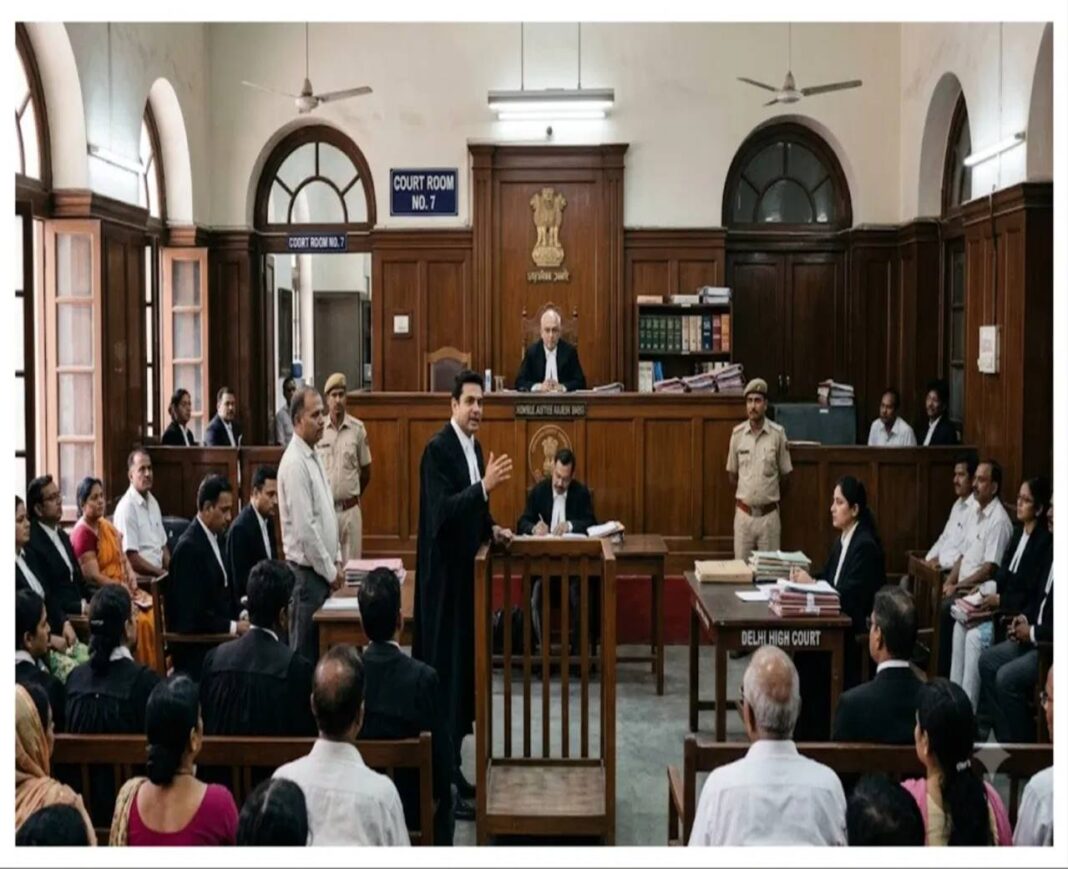
The Madhya Pradesh High Court has struck down the 2019 legislation increasing Other Backward Classes reservation from 14% to 27%, restoring the earlier quota for government employment and higher education. The judgment resolves a prolonged legal dispute over the state’s reservation policy, although further appeals are expected.A division bench comprising Justices Anand Pathak and Vinay Saraf delivered the verdict today. The judges found insufficient justification for exceeding the 50% ceiling on reservations established through Supreme Court precedents.
The legislation was introduced by the Congress government led by Kamal Nath in 2019. It raised the OBC quota by 13 percentage points, prompting petitions questioning its constitutional validity.The High Court examined representation data and concluded that the circumstances presented did not establish a legal basis for the proposed increase. Its ruling concerns the extent of OBC reservation, not the existence of reservation itself.The court also addressed recruitment delays caused by the litigation. It directed state recruitment agencies to fill the 13% of posts withheld under the disputed arrangement with eligible unreserved category candidates within three months.
Madhya Pradesh High Court Verdict Sparks OBC Row
Madhya Pradesh High Court has protected appointments made under the enhanced 27% OBC reservation quota between March 2019 and September 2022, with adjustments expected in future recruitment cycles. The verdict has triggered political reactions, with state Congress president Jitu Patwari announcing plans to challenge the ruling in the Supreme Court. The OBC Mahasabha has also proposed legal action and statewide protests against the decision.
For job applicants, the immediate significance lies in the release of pending vacancies and clarity over future recruitment rules. Authorities must now implement the court’s directions while preparing for possible further litigation.The ruling places the state’s reservation framework back at 14% for OBC candidates, pending any subsequent judicial intervention or lawful policy change.
