


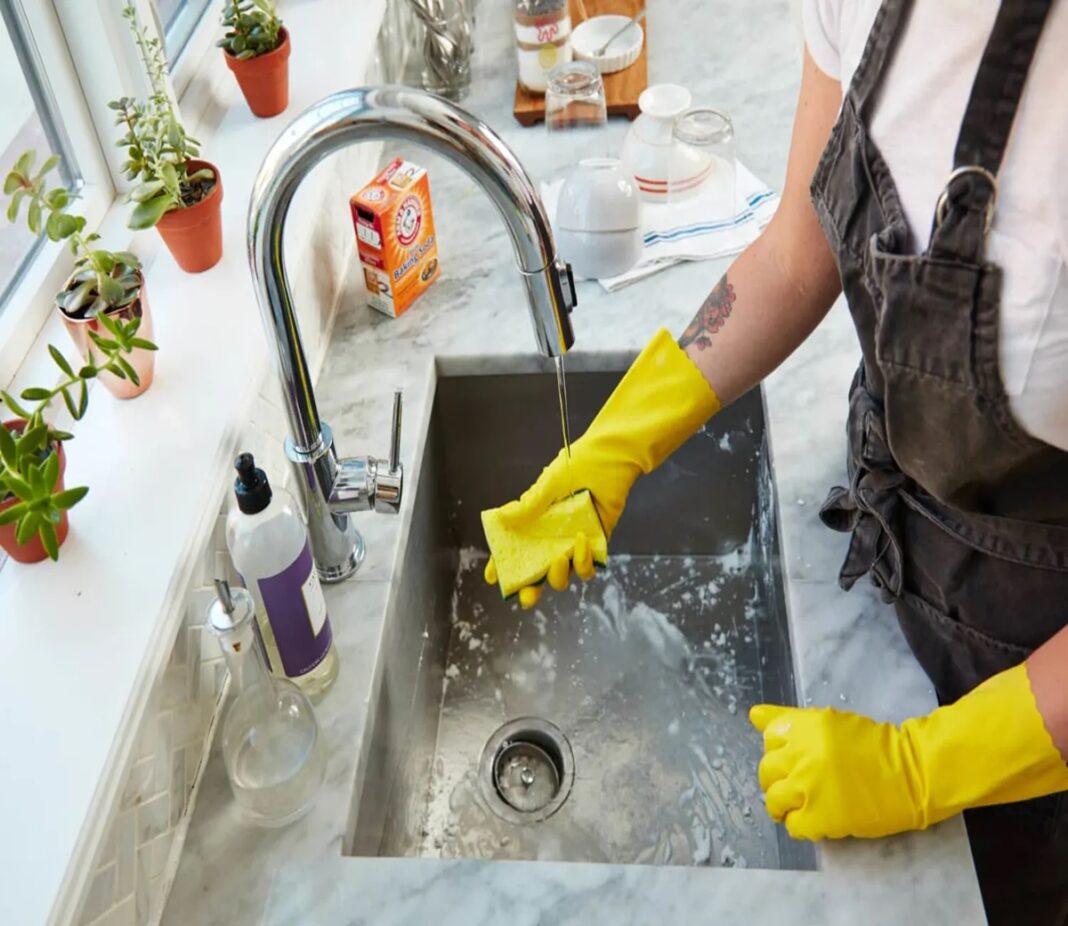
Kitchen spaces frequently contain overlooked household items that introduce hidden chemical risks and microplastics into daily meals. Addressing persistent health hazards, a prominent nutritionist shares simple kitchen swaps to help families eliminate toxic exposure and improve long-term food safety.
According to nutritionist Rashi Chowdhary, synthetic yellow scrubbers shed tiny plastic fragments onto eating plates during dishwashing. Scratched non-stick cookware releases microscopic chemical flakes directly into heating food, while plastic storage containers can leach synthetic compounds when coming into contact with hot meals. Additionally, grooved wooden chopping boards trap harmful bacterial buildup inside deep knife cuts, making thorough sanitation difficult over time.
What Kitchen Changes Can Help Eliminate Toxic Exposure?
To make the kitchen safer, Chowdhary recommends biodegradable coconut coir scrubbers instead of synthetic options. Damaged non-stick skillets can be replaced with durable cast-iron cookware, while stainless steel containers offer a safer alternative to plastic storage. Stainless steel chopping boards provide a non-porous surface, and white vinegar can tackle limescale without harsh fumes.
Systematically replacing degrading plastic and damaged cookware minimizes toxic chemical ingestion, reduces gastrointestinal exposure to microplastics, and prevents bacterial contamination during meal preparation.
Making small, intentional changes to daily kitchen tools protects long-term health and reduces household environmental waste. Adopting non-toxic alternatives ensures a cleaner and safer home cooking environment.
