


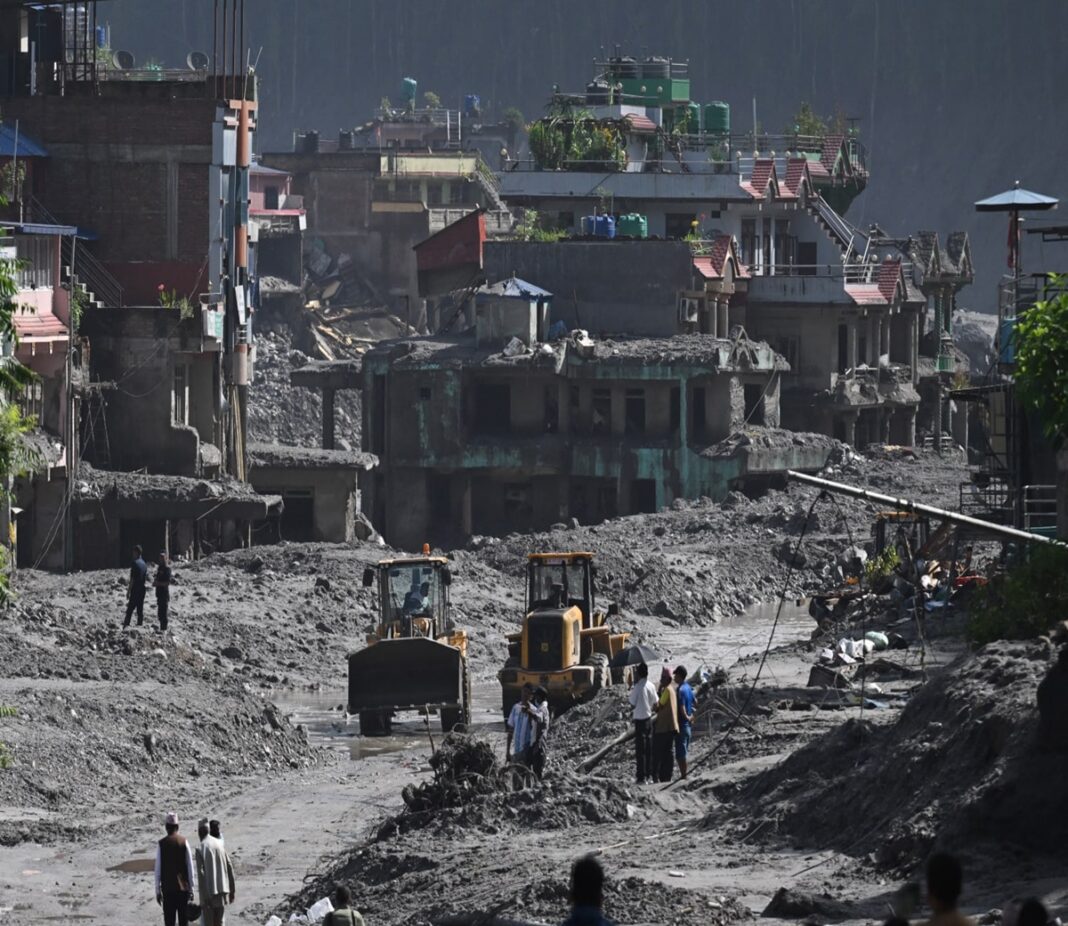
American citizens remain the focus of high-altitude rescue missions across the Himalayas following catastrophic environmental destruction along the border regions. Official briefings confirm that nearly 70 Americans remain unaccounted for after severe flooding and mudslides devastated mountain settlements in Nepal.
The disaster destroyed critical infrastructure, sweeping away arterial roads, riverbanks, and concrete bridges across remote transit routes. Torrential waters and massive soil displacement altered the geographical landscape, burying several previously inhabited locations under feet of rocks and mud. These physical barriers completely isolated regional communities, severely restricting ground transport and leaving dozens of travelers stranded without communication access.
How Are American Rescue Efforts Progressing In Nepal?
American diplomatic and rescue efforts are being coordinated through active monitoring teams established by the US State Department in Kathmandu and Washington, maintaining regular contact with affected families. American consular officers are working with regional emergency teams to deploy specialized search units. However, helicopter missions face hazardous mountain valleys, altered landmarks and thin air at extreme elevations, making aerial rescue and recovery operations dangerously unpredictable.
Nepalese response units and international emergency crews are focusing recovery efforts on high-risk disaster zones, including impacted hydroelectric tunnels where workers and travelers took shelter. Emergency responders continue utilizing zip lines and specialized extraction gear to evacuate survivors safely from isolated river valleys.
Disaster management agencies emphasize that emergency operations remain fluid as teams adapt to changing weather patterns. Rapid international coordination remains vital for locating missing citizens and aiding disaster-affected Himalayan populations.
