


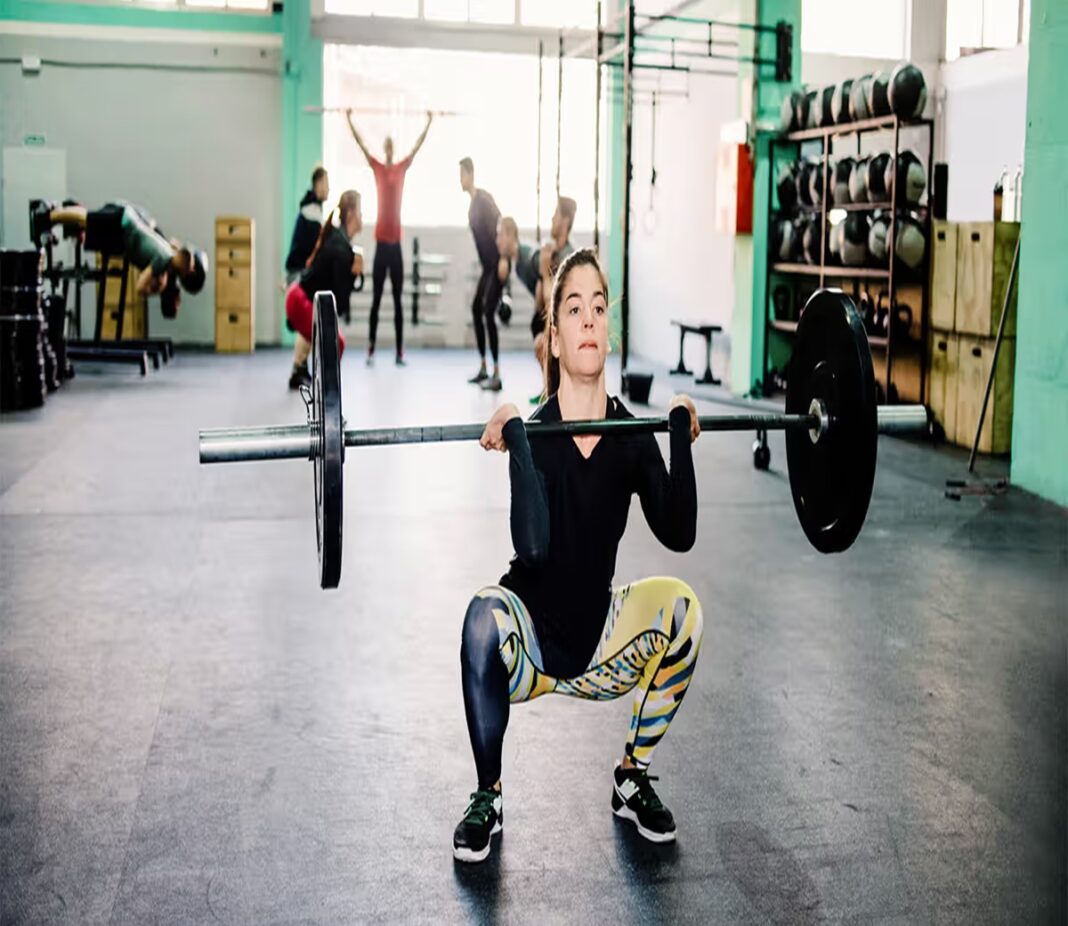
Squat mistakes to avoid for safety are essential to understand because incorrect biomechanics place excess pressure on knee joints, hip flexors, and the lumbar spine. While squats serve as an exceptional compound exercise for lower body development, executing movements with improper form significantly increases the risk of acute strain and long-term joint injury.
A frequent error involves letting knees cave inward, known as knee valgus, which severely strains knee ligaments under heavy loads. Additionally, rounding the lower back or allowing heels to lift off the floor transfers excessive force to the spine and reduces stability. Other common missteps include holding one’s breath inappropriately, dropping into the bottom position without controlled movement tempo, and rushing progression before mastering bodyweight form.
How Can You Fix Common Squat Mistakes?
Proper Squat technique begins with a stable tripod foot position, pressing the big toe, pinky toe and heel firmly into the ground. Keeping the knees aligned with the toes helps prevent joint collapse, while engaging the core supports spinal stability. Improving ankle and hip mobility can make reaching parallel depth easier. Correct positioning allows stronger engagement of the glutes, quadriceps and hamstrings while helping lifters maintain controlled movement and safer spinal alignment throughout each repetition.
Lifters should decrease resistance immediately if they experience lower back discomfort, heel lifting, or uncontrollable knee wobbling during a set. Focusing on controlled repetition tempo and unweighted repetitions builds proper motor patterns, laying a safe foundation for sustainable strength progression.
