


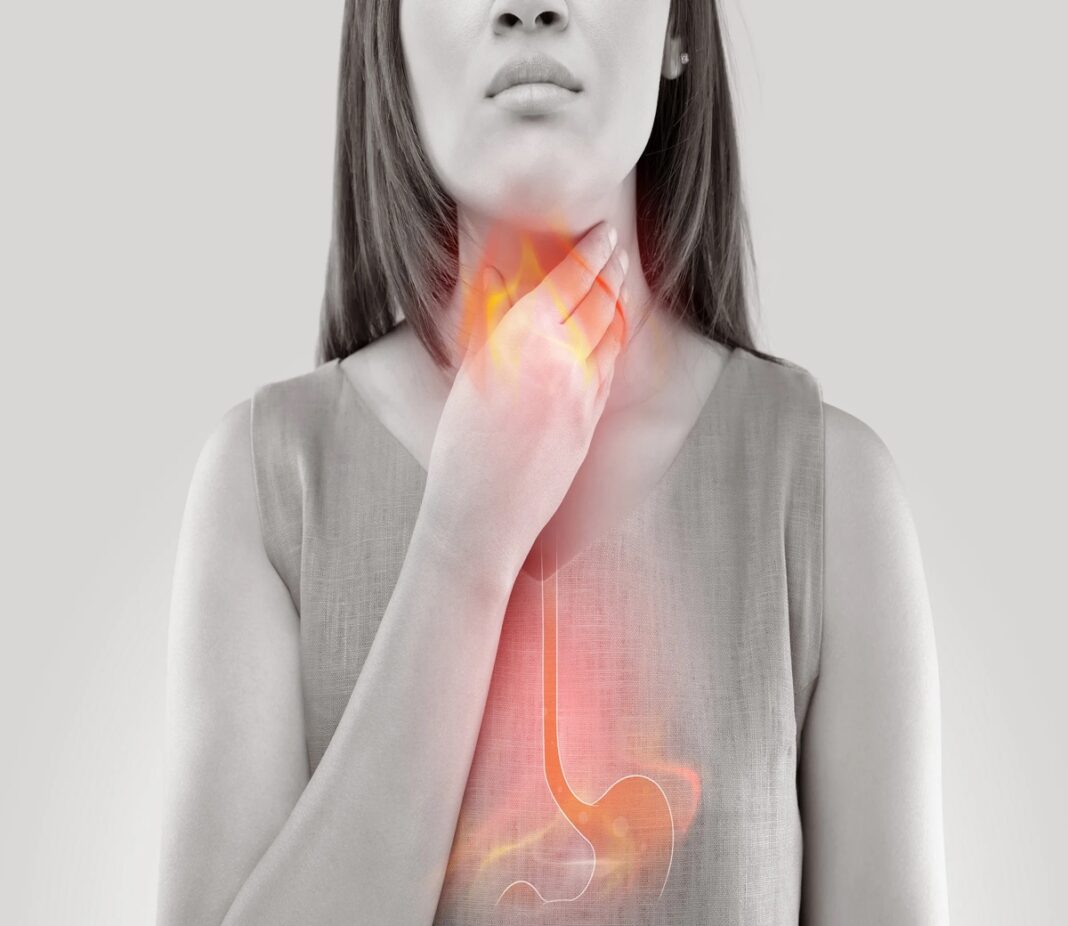
Acid Reflux can often be managed naturally through simple, consistent lifestyle changes, according to health specialists trained at AIIMS. Experts say adjusting daily routines may help reduce stomach acid production, ease frequent heartburn and prevent irritation of the esophagus. These measures can support people dealing with gastroesophageal reflux disease while reducing unnecessary dependence on over-the-counter medicines and encouraging sustainable, long-term digestive health management.
Health experts advise consuming smaller, more frequent meals rather than heavy dining portions that stretch the stomach and exert upward pressure on the lower esophageal sphincter. Patients should avoid lying down for at least three hours after eating, allowing gravity to assist digestion. Furthermore, identifying personal dietary triggers such as spicy dishes, fried foods, chocolate, carbonated beverages, and excessive caffeine allows individuals to tailor their nutrition plans for optimal digestive comfort.
Can Sleeping Position Reduce Nighttime Acid Reflux?
Elevating the head of the bed by six to eight inches can help prevent nighttime Acid Reflux by reducing the backflow of stomach contents while sleeping. Maintaining a balanced body weight may also lower abdominal pressure that pushes acid upward. Additionally, wearing loose-fitting clothes around the waist can reduce abdominal constriction, support comfortable digestion, and provide relief from reflux symptoms at night.
Patients experiencing severe chest pain, difficulty swallowing, unintended weight loss, or persistent acid reflux symptoms should seek medical attention promptly. If symptoms continue despite consistent lifestyle changes, a comprehensive gastrointestinal evaluation may help identify underlying conditions, determine the cause, and guide appropriate treatment for lasting relief.
