


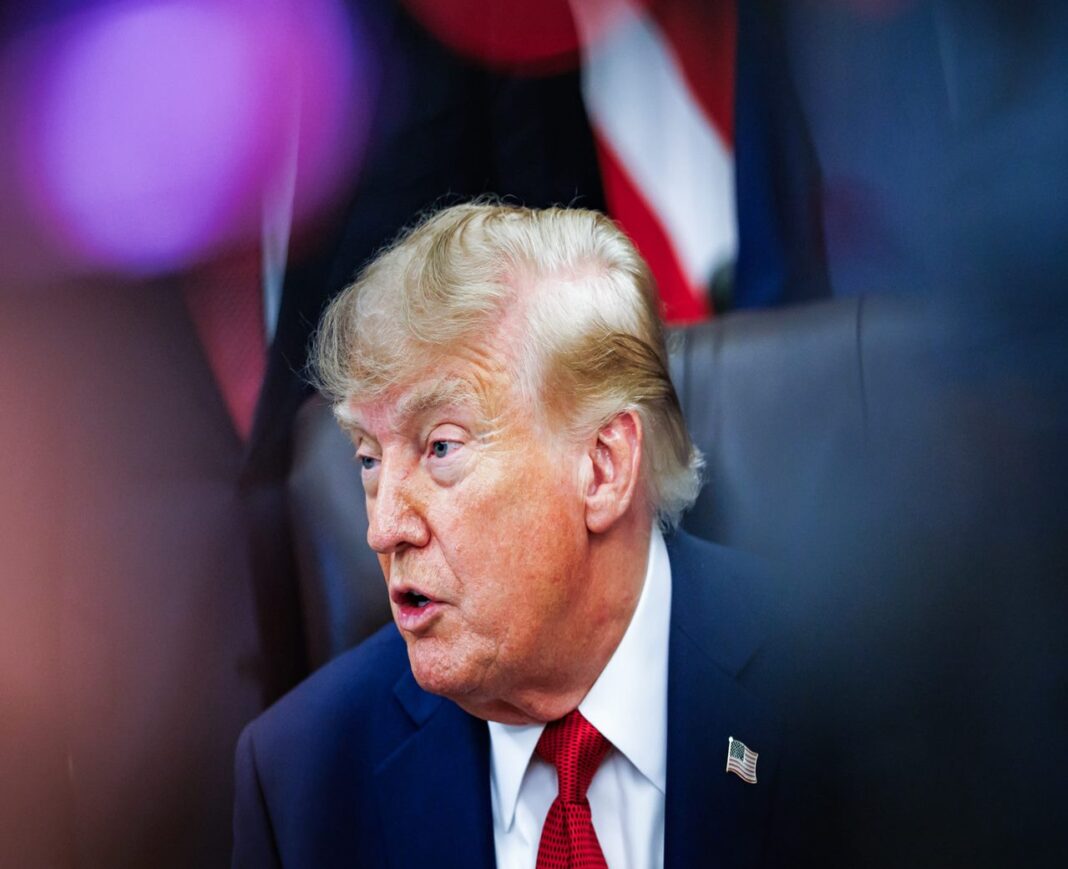
Trump issued a stern warning to Iran during his address at the United Nations General Assembly in New York, saying he could “annihilate” the country if Tehran refuses to reach a peace deal. Trump questioned whether Washington should pursue negotiations or take stronger military action against Iran. Trump said the United States remains open to a possible agreement but indicated that Tehran must be willing to negotiate. He also suggested that discussions could take place after the US midterm elections.
His remarks came amid heightened tensions between Washington and Tehran over Iran’s nuclear programme and broader regional security issues. Trump’s comments added to the pressure on Iranian leaders as global powers continue efforts to address the conflict and prevent further escalation in the Middle East.
Trump Discusses Global Security Challenges
Trump’s foreign policy meetings focus on negotiating diplomatic solutions to ongoing regional conflicts while reinforcing US security commitments worldwide. Bilateral talks with Ukraine are expected to address energy grid protection and military assistance, while discussions with Middle Eastern partners will focus on stabilising global oil supplies affected by hostilities involving Iran. The multilateral gathering also seeks commitments from foreign allies ahead of the US congressional midterm elections.
How will the results of these summit meetings impact overall global security dynamics? Successful negotiations during the General Assembly could stabilize volatile international commodity markets and restore predictable trade routes through critical maritime straits. Reaching new defense accords in Greenland will also strengthen Western positioning against rival powers in northern polar waters. International observers expect the outcome of these rapid diplomatic sessions to shape global foreign policy directives for the remainder of the political calendar year.
