


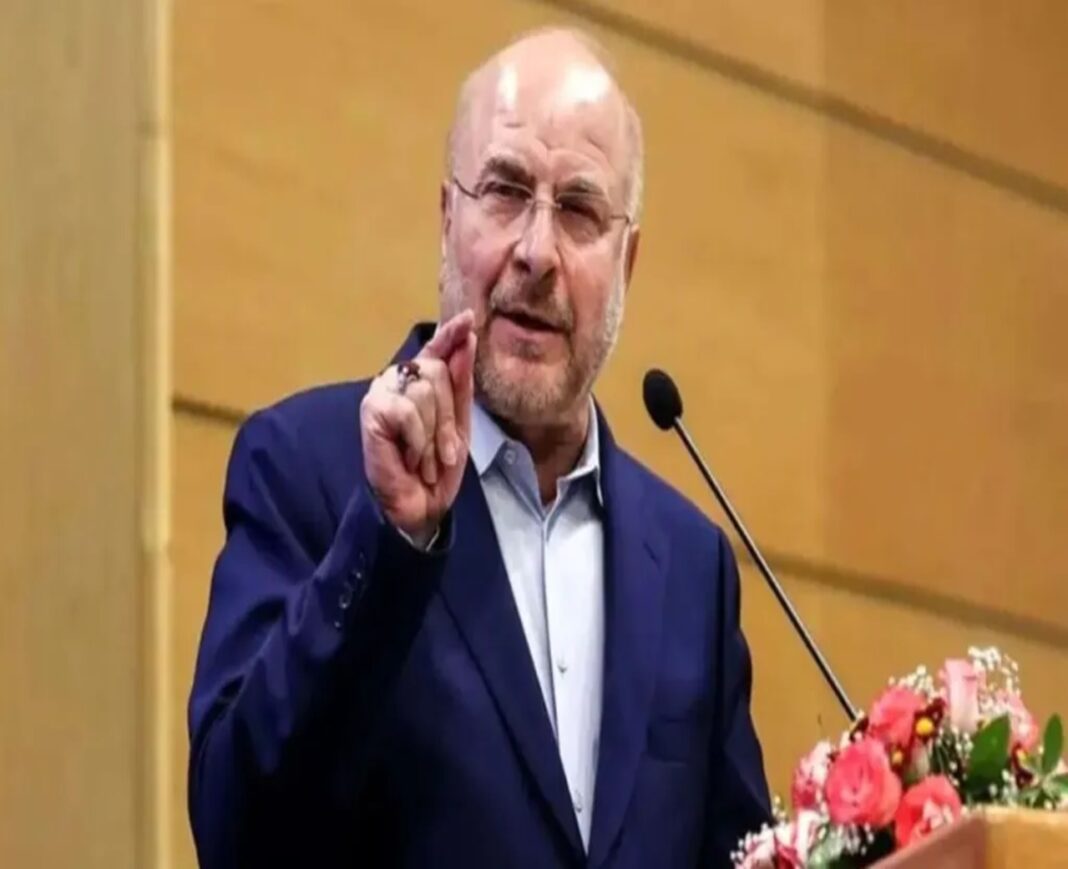
Strait of Hormuz tensions intensified as Iranian Parliament Speaker Mohammad Baqer Ghalibaf said the critical oil waterway will remain closed until Tehran’s demands are met. The statement follows stalled indirect talks with Washington and the expulsion of two Iranian diplomats by the United States. Ghalibaf stressed that maritime access depends on diplomatic terms, military readiness, and economic leverage for now.
President Masoud Pezeshkian stated that new administrative measures are active to manage growing economic pressure resulting from external sanctions and targeted infrastructure attacks. Despite central bank interventions involving foreign exchange sales, the Iranian rial reached record lows, though government officials maintain public support will counter adversary objectives.
Strait Of Hormuz Crisis Raises Shipping Costs
Due to the Strait of Hormuz crisis, recent projectile strikes on two commercial oil tankers have forced international shipping firms to absorb rising freight and insurance costs. India reaffirmed its commitment to seafarer safety after authorities coordinated the rescue of five Indian crew members stranded during maritime skirmishes along the strategic energy transit corridor.
The US is deploying a third aircraft carrier strike group and thousands of additional troops to the Middle East, adding to roughly 50,000 US service members already stationed in the region. By the end of November, three aircraft carriers and two amphibious landing groups are expected near Iran. The deployment comes as Washington and Tehran weigh escalation and diplomatic engagement, with indirect talks making little progress over sanctions relief, asset unfreezing, security guarantees, and reopening the Strait of Hormuz.
