


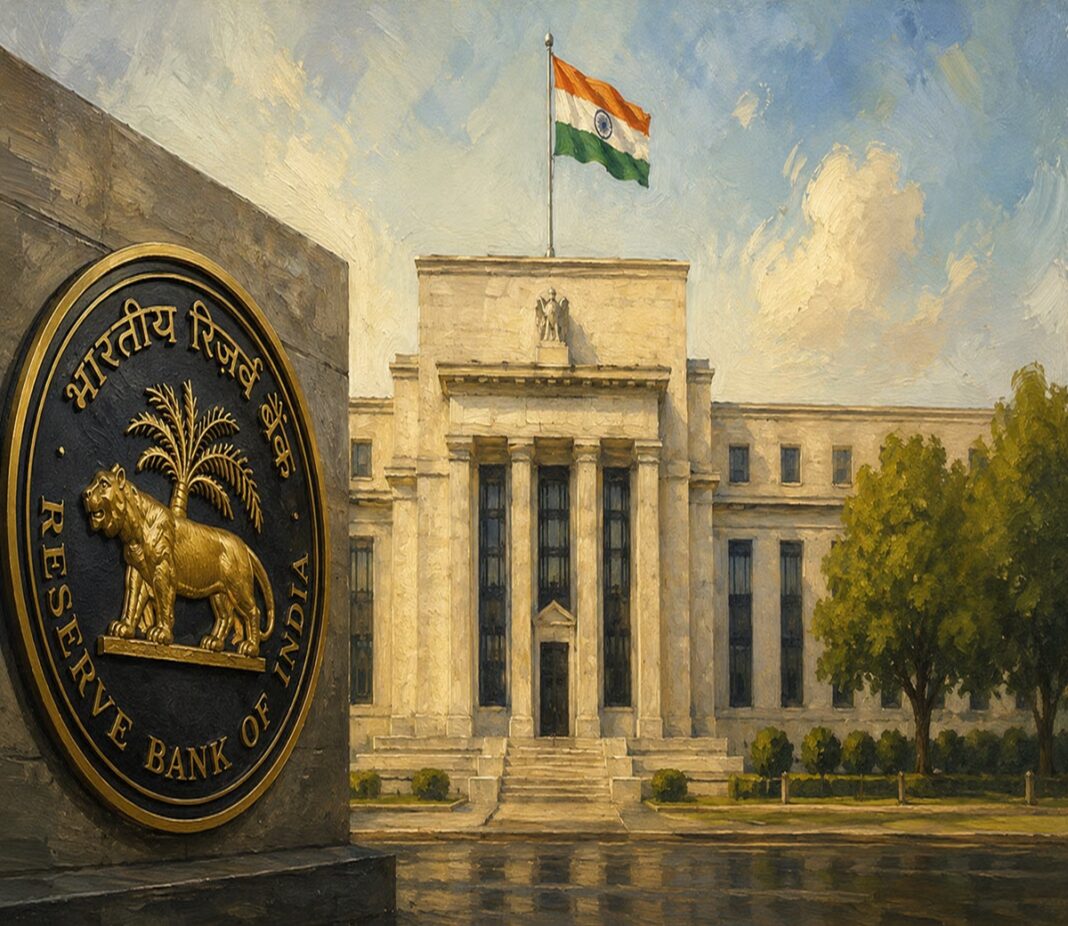
The Reserve Bank of India (RBI) has officially increased its benchmark lending rate by 25 basis points, moving the repo rate from 5.25% to 5.50%, marking the first hike since February 2023. This decision marks the first rate hike by the central bank after 43 months of maintaining baseline interest levels. Spearheaded by Monetary Policy Committee chairman Governor Sanjay Malhotra, the policy adjustment reflects a decisive shift toward controlling domestic retail prices amid surging global energy costs and foreign capital volatility.
Increasing inflation risks driven by higher crude oil prices, supply disruptions from West Asia conflicts, and an eight-month high retail inflation print forced the monetary authority to act. Consumer price index measures climbed above four percent for consecutive months, prompting four out of six committee members to vote for an immediate rate increase.
How Does RBI Policy Shift Impact Rate Cuts?
Alongside the rate increase, the RBI formally abandoned its accommodative stance in favor of calibrated tightening. Governor Sanjay Malhotra clarified that future rate cuts are currently off the table given prevailing international headwinds. The Monetary Policy Committee will strictly hold or increase interest rates depending on evolving macroeconomic conditions. This strategic policy pivot by the RBI aims to contain domestic inflationary pressures while safeguarding overall financial system stability.
Commercial lending institutions will adjust interest rates on consumer loans, fixed deposits, and home mortgages upward to mirror the central bank’s increased benchmark repo rate. Financial markets responded immediately to the hawkish policy shift, aligning equity valuations and bond yields with tighter liquidity expectations across Indian banking networks.
