


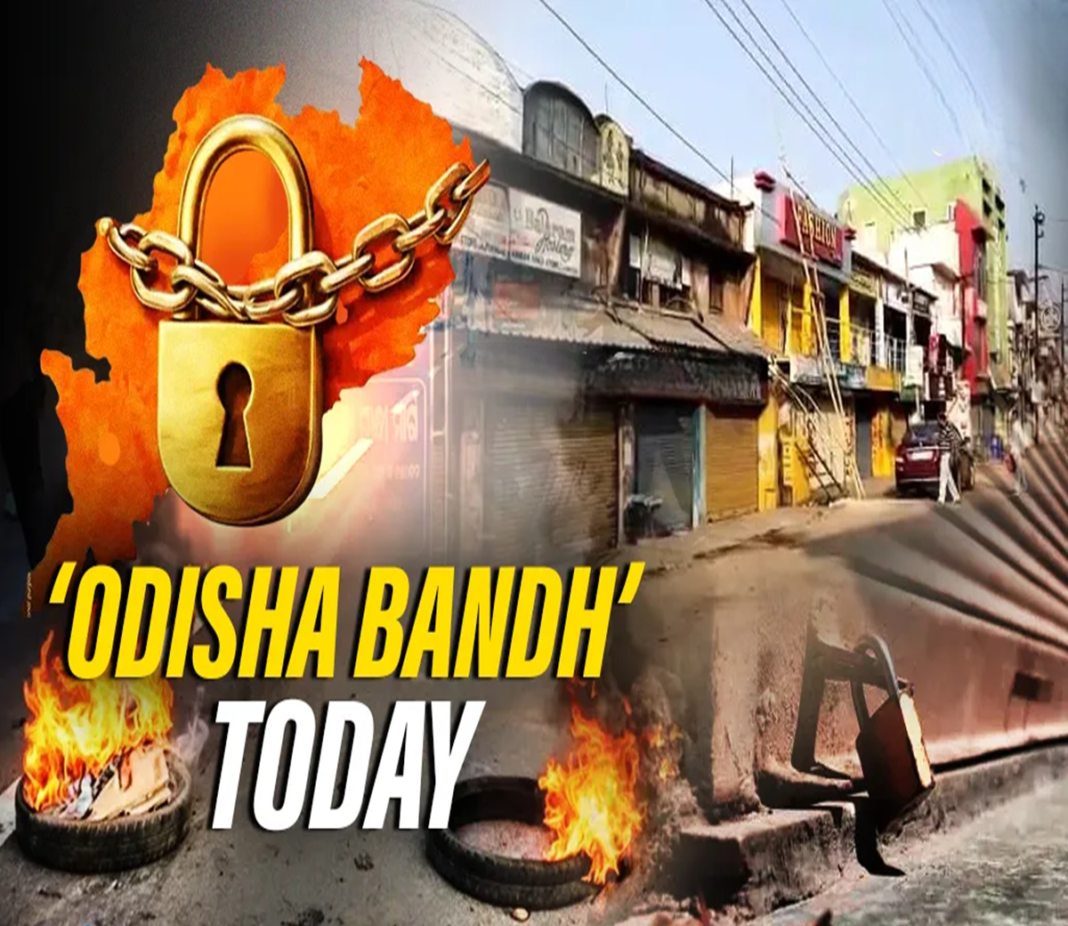
Normal life came to a complete standstill across Odisha following a nationwide and state-level shutdown call today issued by major political opposition parties. Protesters took to the streets early in the morning to voice strong opposition against proposed mining law amendments, environmental policy decisions, and related administrative governance issues. Public transit networks, commercial markets, educational institutions, and financial establishments experienced widespread closures throughout the affected municipal areas and adjoining rural belts.
Opposition leaders and trade unions organized the strike to protest controversial amendments in regional mining laws and demand increased revenue distribution for local communities. Demonstrators also highlighted growing employment concerns, environmental protection measures, and policy disagreements with the ruling administration, urging immediate legislative reviews and public consultation before implementing revised industrial guidelines.
How Heavily Did Odisha Bandh Disrupt Public Transport?
Rail and road transport across Odisha faced severe disruption as activists staged peaceful rail roko protests and blockaded crucial national highways connecting major industrial corridors. State-run buses, private taxis, and commercial freight carriers suspended operations to ensure passenger safety, leaving numerous commuters stranded at inter-state bus terminals and major railway stations throughout urban centers.
State police departments deployed heavy security forces across sensitive government installations, highway junctions, and public transit hubs to prevent potential law and order disruptions. District magistrates monitored the situation through control centers, while security personnel ensured emergency medical services, ambulance movements, and utility supplies operated without interference during the operational hours of the strike.
