


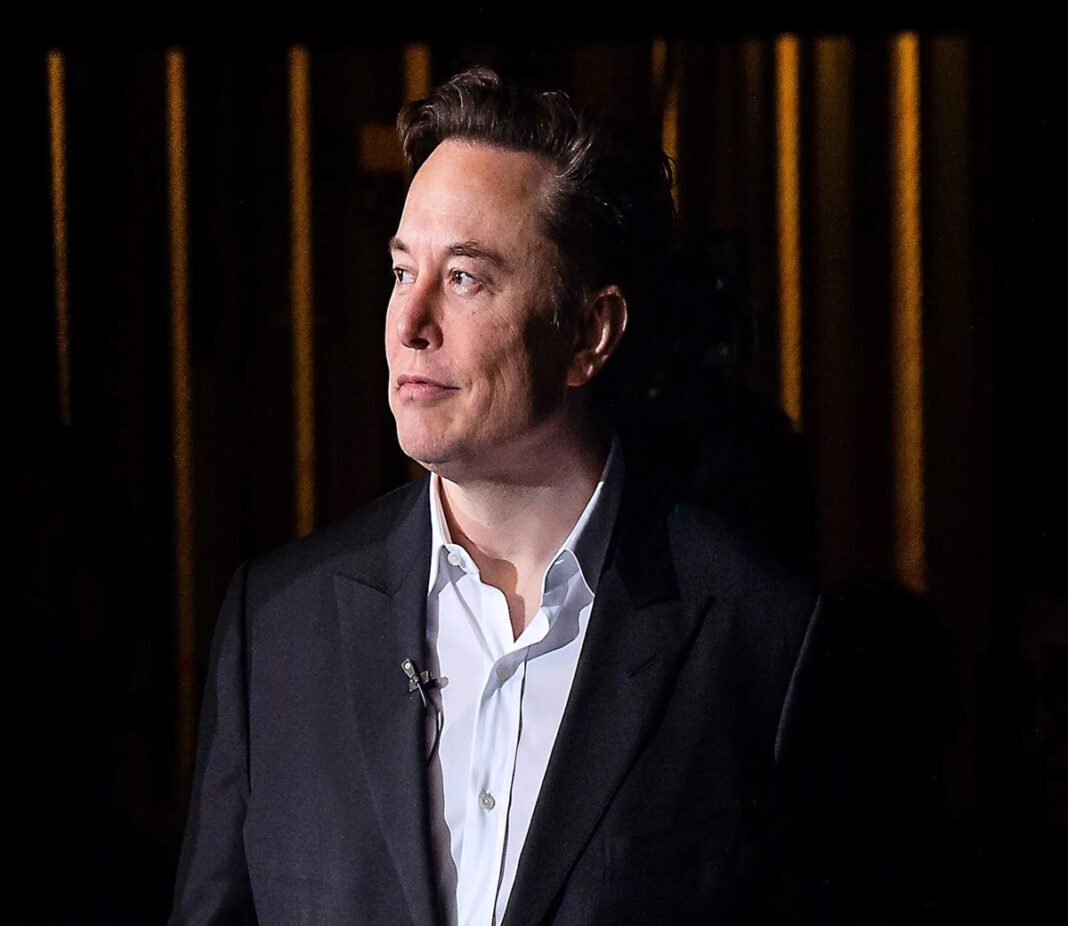
The Government of India officially rejected social media statements made by SpaceX CEO Elon Musk, who claimed that Indian internet regulations favor domestic business ‘oligarchs’ over foreign satellite connectivity platforms. Terming the allegations completely baseless and misconceived, government representatives highlighted that India’s telecommunications policy regime remains entirely transparent, non-discriminatory, and accessible to international and domestic market players alike.
Why Did Centre Rebut Elon Musk Internet Claims?
The official response followed public remarks from tech entrepreneur Elon Musk suggesting regulatory roadblocks preventing Starlink’s deployment were driven by domestic protectionist lobbying. Denying any corporate interference, telecommunications authorities clarified that licensing parameters apply uniformly across every applicant to protect consumer interests, satisfy mandatory security clearances, and preserve equitable market access across India’s growing satellite broadband sector.
All foreign satellite internet service providers must comply with mandatory security compliance guidelines, local data localization requirements, and spectrum allocation norms established by statutory authorities. The Ministry of Communications reiterated that statutory compliance steps apply equally to all entities, ensuring fair market competition rather than granting special privileges to domestic firms.
Centre rejects Elon Musk’s ‘oligarchs’ claim Approval processes for satellite communication services remain under active administrative review, contingent upon applicants fulfilling statutory security conditions and spectrum spectrum fee structures. The government reaffirmed its dedication to facilitating widespread digital access across rural and remote regions through technology-neutral regulatory mechanisms while preserving equitable market conditions for global investors.
