


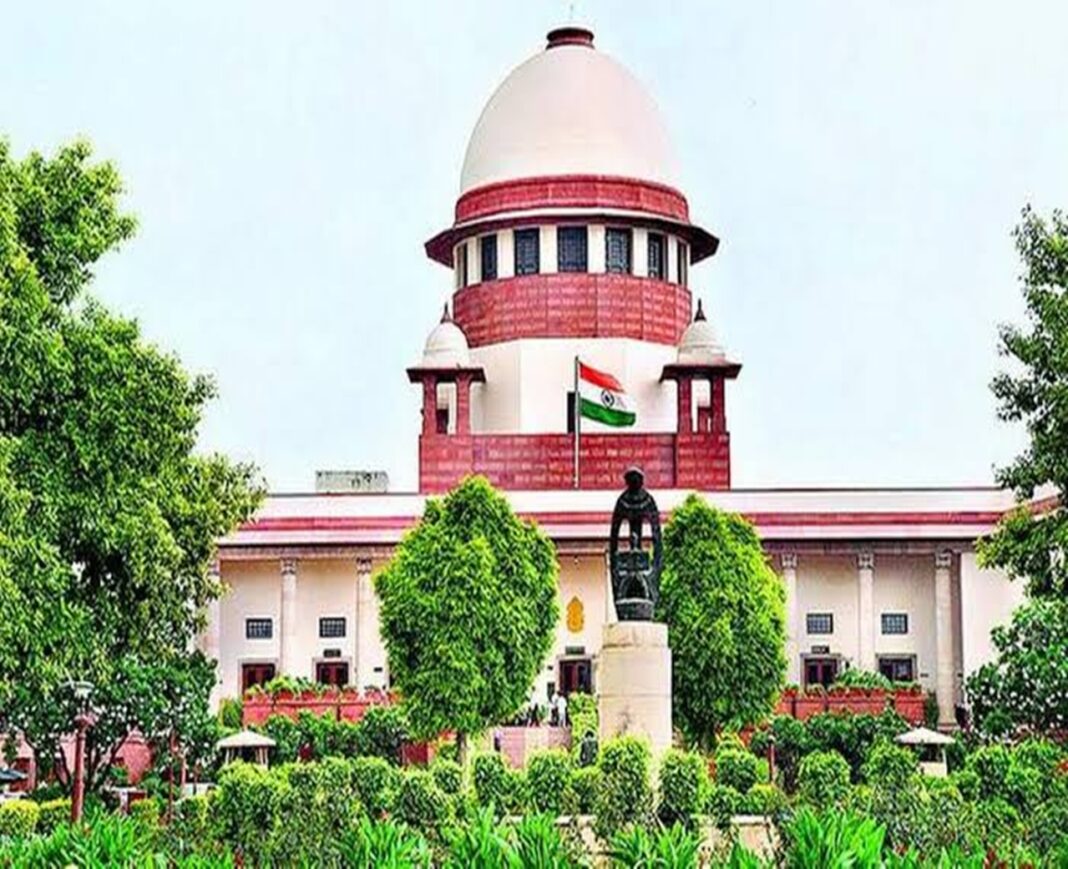
The Supreme Court expressed serious concerns over extensive security measures imposed by Delhi Police ahead of a major political rally. Authorities had initially ordered the closure of 57 metro stations, raising concerns about widespread public transport disruptions. A bench led by Chief Justice Surya Kant questioned whether such sweeping restrictions were proportionate and necessary.
Following the court’s intervention, government representatives assured the bench that Delhi Metro services would remain operational under regulated supervision. The court emphasized the need to balance security requirements with public convenience and citizens’ fundamental rights. It questioned whether shutting down numerous stations was justified when less disruptive security arrangements could potentially achieve the same objectives.
Why Did the Supreme Court Question the Closure of 57 Stations?
The Supreme Court observed that closing 57 metro stations could disproportionately affect daily commuters and restrict their freedom of movement across the National Capital Region. It directed authorities to avoid a blanket prohibition on metro services and instead regulate operations reasonably. The court also stressed the importance of issuing clear traffic advisories to minimize inconvenience.
Solicitor General Tushar Mehta assured the bench that metro services would continue under appropriate regulation. He also stated that the government would consider identifying an alternative protest venue outside Jantar Mantar. The proceedings highlighted the need to maintain public order while protecting citizens’ rights, ensuring essential transport services remain accessible during major political gatherings.
