


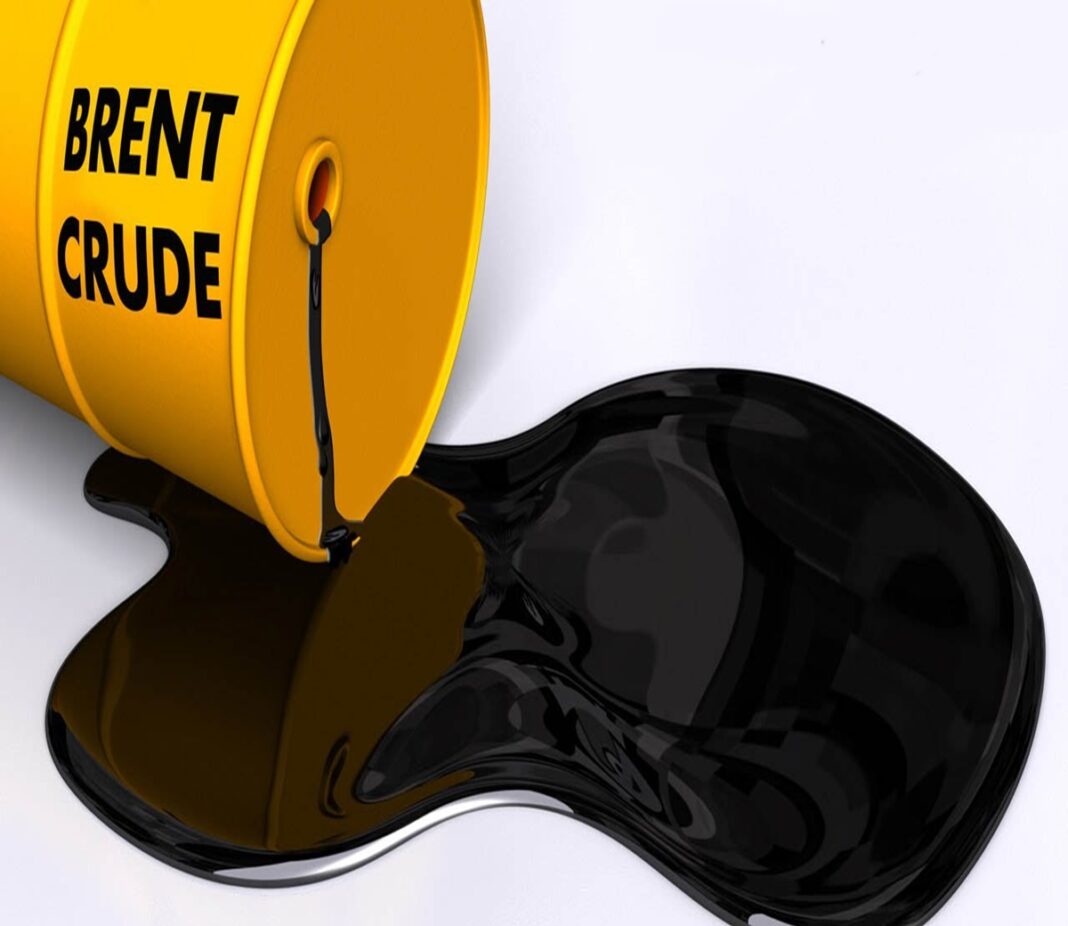
Energy markets experienced renewed volatility as international benchmark Brent crude surged toward $107 per barrel, while US West Texas Intermediate crude rose above $102 per barrel. The price rally was triggered by major geopolitical escalations and energy infrastructure attacks in the Middle East, which heightened trader anxieties over potential physical shortages across international petroleum export routes.
The recent security incidents forced state oil authorities to take the strategic 1,200-kilometer East-West pipeline offline. Also known as Petroline, this infrastructure connects eastern oilfields directly to Red Sea export terminals at Yanbu, effectively allowing Saudi Arabia to bypass the heavily contested Strait of Hormuz chokepoint. With navigation through the Strait severely restricted by regional military conflicts, disabling this vital alternative bypass route removes millions of barrels of daily transport capacity from global markets.
What Is Driving Brent Crude Market Volatility?
Beyond infrastructure damage in Saudi Arabia, energy markets remain volatile as diplomatic talks over regional shipping routes stall. Further military strikes on airbases and maritime vessels have intensified supply concerns. Analysts warn that prolonged disruptions across crucial Red Sea and Persian Gulf export corridors could increase speculative risk premiums and push Brent crude prices significantly higher during upcoming trading sessions worldwide.
Financial experts note that sustained price reductions depend on restoring secure passage through primary maritime chokepoints and reopening domestic pipelines. Until technical repairs are fully completed and regional security guarantees are re-established, international buyers will continue paying elevated risk premiums to secure daily crude oil deliveries.
