


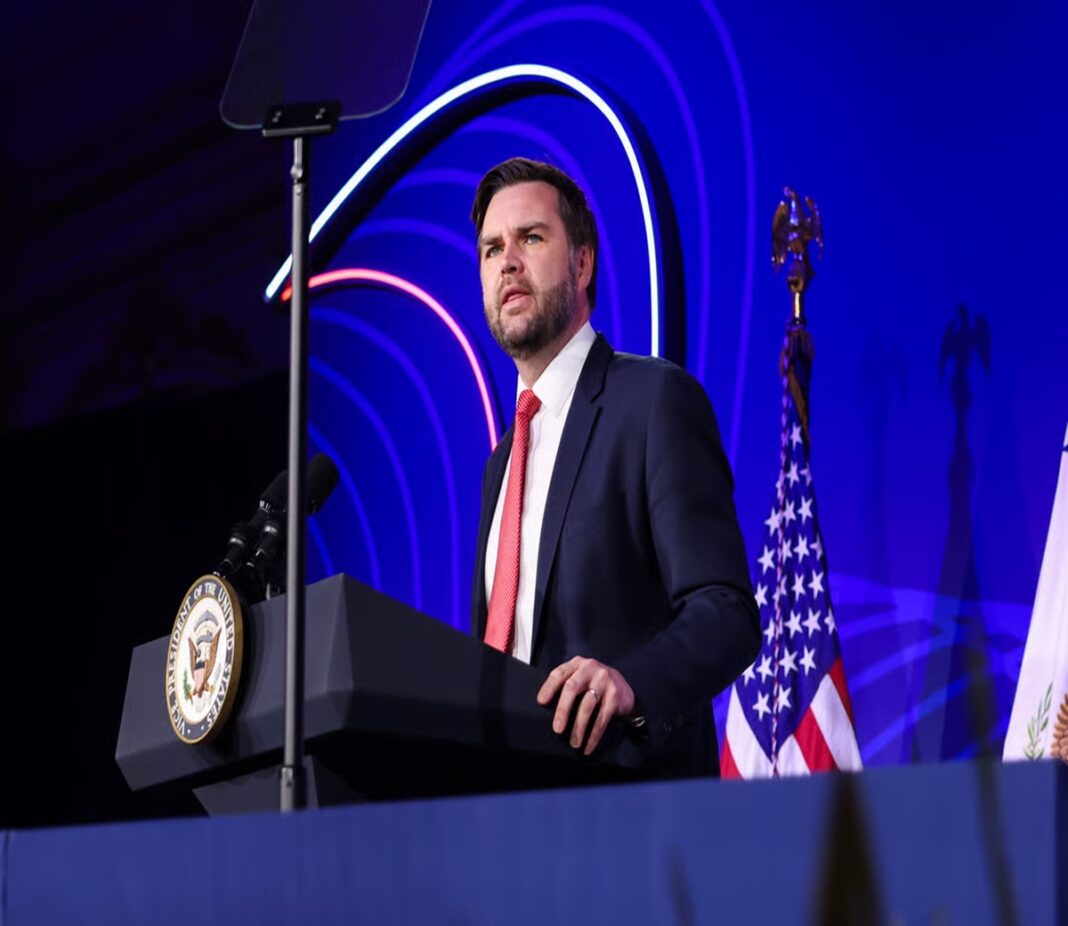
The US has detailed plans regarding a historic energy agreement that grants access to massive South American crude stockpiles. As Vice President JD Vance confirmed, the US eyes 65 billion barrel Venezuela reserve potential across seventeen major oil fields to rebuild domestic energy security, support military fuel requirements, and stabilize volatile global crude markets.
The bilateral framework establishes a joint venture with a private operator, granting a one-hundred-year concession to develop select oil fields. Under this agreement, the US government secures an effective 55% share of output through direct equity stakes and guaranteed at-cost purchasing rights, routing crude straight toward the Strategic Petroleum Reserve.
Why Is US Expanding Its Access To Venezuelan Oil Reserves Now?
Sustained geopolitical tensions in the Middle East have disrupted international energy shipping routes through critical transit chokepoints. Securing a reliable long-term crude supply within the Western Hemisphere allows Washington to offset global supply shortages, insulate domestic consumers from inflationary energy price shocks, and replenish historically low emergency stockpiles without overburdening taxpayers.
Venezuelan officials project that the landmark partnership will attract upwards of one hundred billion dollars in private infrastructure investment into the country’s energy sector. This capital influx is expected to modernize aging extraction infrastructure, generate substantial tax revenues for local public services, and create thousands of specialized operational jobs.
Energy analysts note that while physical production scaling will require multi-year infrastructure upgrades, the strategic alignment marks a transformative shift in global energy governance. By establishing long-term extraction rights in the Orinoco Belt and Lake Maracaibo regions, the agreement establishes a stable energy supply corridor designed to safeguard Western economic interests for decades.
