


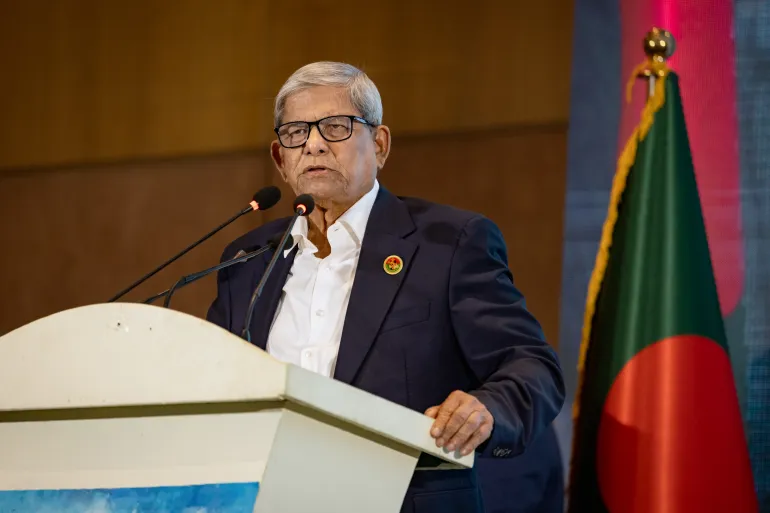
Bangladesh held its first contested presidential election in 35 years following Mohammed Shahabuddin’s resignation. Ruling Bangladesh Nationalist Party nominee Mirza Fakhrul Islam Alamgir faced opposition alliance candidate Oli Ahmad in a parliamentary vote. For verified election updates and official parliamentary announcements, visit the Bangladesh Parliament and Bangladesh Election Commission portals.
Bangladesh marked a notable political milestone by conducting its first contested presidential election in 35 years. The election featured a direct parliamentary contest between the ruling Bangladesh Nationalist Party (BNP) nominee Mirza Fakhrul Islam Alamgir and retired Colonel Oli Ahmad, candidate of an 11-party opposition alliance led by Jamaat-e-Islami.
The electoral process was initiated following the resignation of Mohammed Shahabuddin, who stepped down midway through his five-year term after serving through significant political transitions, including the removal of the previous administration in 2024. The last contested presidential race occurred in October 1991, after which all subsequent heads of state had been chosen uncontested through consensus nominations.
Under constitutional provisions, the president serves as the head of state, with duties primarily exercised on the advice of the prime minister, except for specific constitutional appointments. The election highlighted evolving discussions regarding democratic participation, institutional reforms, and parliamentary voting practices under constitutional frameworks.
To track official bulletins, legislative proceedings, and verified electoral notifications, visit the official Bangladesh Parliament portal or check updates from the Bangladesh Election Commission.
