


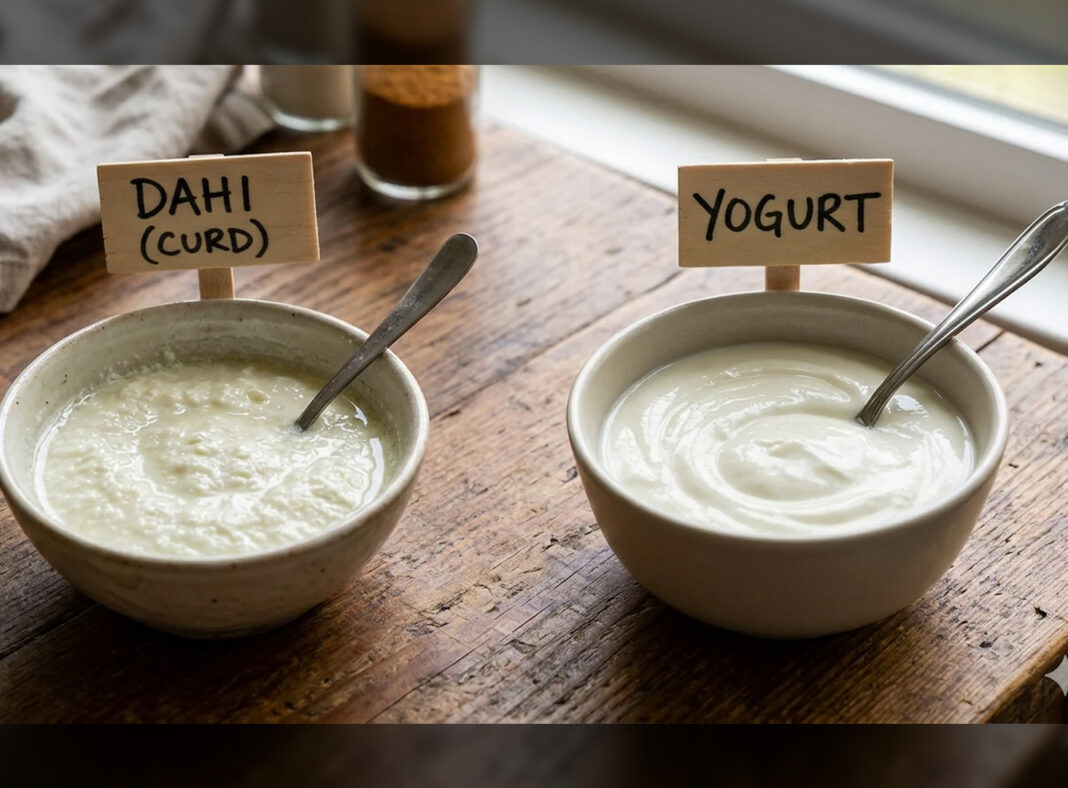
Curd and yogurt are both popular fermented dairy foods, but key differences define their health impact. Traditional homemade curd uses natural starter bacteria, delivering wild probiotic strains that soothe digestion and boost immunity naturally. In contrast, yogurt relies on standardized bacterial strains under controlled conditions, producing higher, consistent protein levels—especially in Greek yogurt. Both strengthen bone health through calcium, though plain homemade options remain superior over sugar-laden commercial yogurts.
Curd and yogurt differ primarily in their preparation methods and bacterial cultures. Homemade curd is prepared by fermenting warm milk with a starter containing wild, naturally occurring lactic acid bacteria. This creates variation in acidity and texture depending on environmental temperature. Yogurt relies on specific, standardized lab-grown bacterial strains like Lactobacillus bulgaricus and Streptococcus thermophilus. Controlled industrial fermentation guarantees uniform thickness, standardized taste, and predictable probiotic density in every batch.
Curd vs Yogurt:
Both dairy foods deliver abundant calcium, potassium, vitamin B12, and essential gut-friendly probiotics. Curd provides diverse natural microflora that calm stomach inflammation, relieve acidity, and enhance overall digestive efficiency. Yogurt, particularly strained Greek yogurt, contains significantly higher protein concentrations per serving. High protein content promotes satiety, aids muscle recovery after exercise, and assists long-term weight management goals. Individuals with mild lactose sensitivity often digest yogurt more comfortably because controlled fermentation breaks down lactose efficiently.
Nighttime consumption requires cautious moderation based on metabolic rate and individual constitution. Digestion naturally slows down during sleep, meaning heavy fats and high protein in dairy take longer to break down, occasionally triggering acid reflux. However, the amino acid tryptophan present in fermented dairy supports peaceful sleep by helping produce serotonin. According to traditional wellness systems, curd increases phlegm production, making it less ideal for people suffering from chronic asthma, sinusitis, or seasonal colds during nighttime hours. Consuming plain curd during daylight remains ideal, while evening intake is best limited to small portions mixed with digestive spices like black pepper or cumin.
