


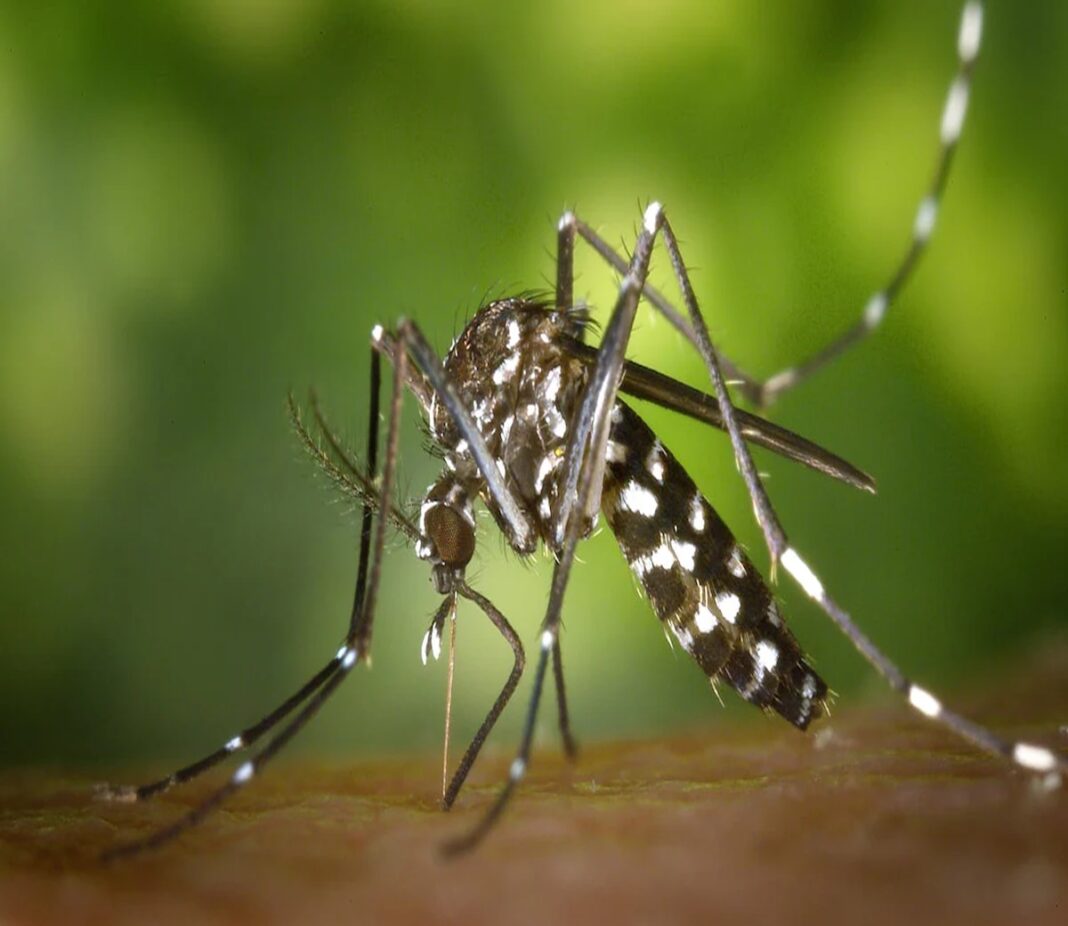
Health authorities confirm that dengue cases rise in urban cities such as Chennai, Kolkata, Mumbai, and Delhi primarily due to seasonal monsoon weather patterns. Intermittent heavy rainfall followed by warm, humid days creates highly favorable breeding environments for Aedes mosquitoes. Instead of persistent downpours washing away larvae, brief rain showers leave behind small pools of standing water where mosquito populations rapidly multiply across residential and commercial zones.
Rapid real estate construction, unmanaged waste disposal, blocked drainage lines, and high population density significantly amplify the transmission cycle. Rainwater easily accumulates in open containers, rooftop coolers, construction sites, and discarded rubbish. In densely populated urban neighborhoods, infected mosquitoes can easily transmit the virus between individuals living in close proximity, creating a continuous cycle of vector breeding and localized human infection.
What Steps Can Prevent Dengue Mosquito Breeding?
Civic health departments say eliminating stagnant water around homes is crucial to preventing dengue. Residents should regularly empty water containers, clean flowerpot trays, repair leaking pipes, and use mosquito repellents. Wearing long-sleeved clothing and installing window screens can further reduce exposure to day-biting mosquitoes, helping control dengue transmission and protect vulnerable communities across densely populated urban areas during outbreaks.
Medical professionals advise prompt clinical consultations if individuals experience sudden high fever, intense headaches, severe muscle pain, or discomfort behind the eyes. Early diagnostic testing enables healthcare providers to monitor blood platelet counts closely, preventing severe fluid leakage or hemorrhagic complications and ensuring safe recovery throughout the peak monsoon transmission period.
