


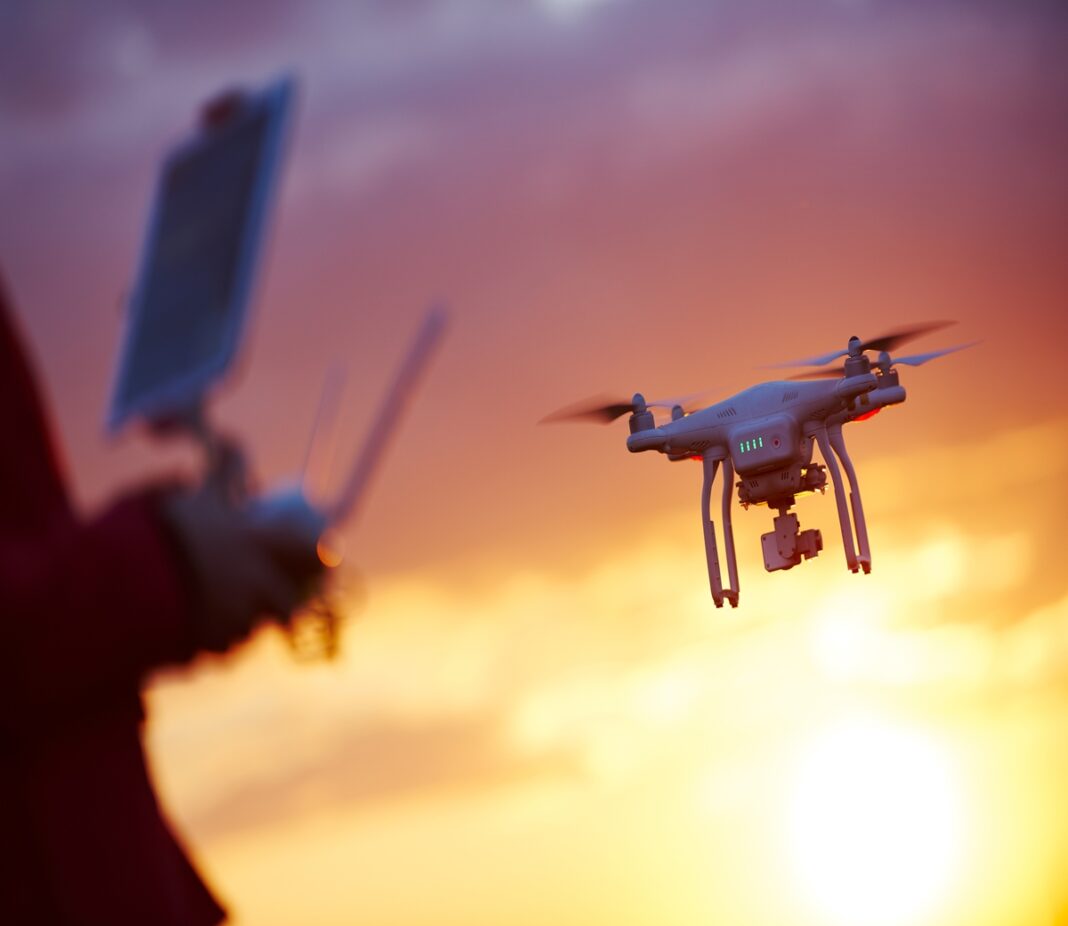
Drone operations across the nation are regulated under strict statutory frameworks overseen by the Ministry of Civil Aviation. Adhering to the established DGCA drone flying rules in India ensures operational safety, airspace compliance, and individual privacy for recreational and commercial operators alike.
The central government classifies national airspace into three designated interactive digital zones on the DigitalSky platform. Green zones allow flight operations up to four hundred feet altitude without prior government authorization. Yellow zones represent controlled airspace requiring clearance from Air Traffic Control before takeoff, while red zones surrounding airports, military installations, and international borders strictly mandate explicit central government approval.
What Registration Do Drone Operators Need?
Drones weighing over 250 grams must obtain a life-long Unique Identification Number through the DigitalSky portal for a standard administrative fee. Remote pilots operating micro or larger unmanned aircraft must complete mandatory evaluation training at a DGCA-approved Remote Pilot Training Organization to obtain an official Remote Pilot Certificate. Nano drones operating below 50-feet altitude remain exempt from pilot certification requirements.
Flying an unregistered drone incurs a fine of 10,000/- rupees, while operating without a valid Remote Pilot Certificate attracts a penalty of 25,000/- rupees. Severe violations, such as unauthorized flights inside designated red zones or endangering public safety, carry steep fines up to one lakh rupees, equipment confiscation, and potential criminal proceedings under the Aircraft Act.
Understanding regulatory parameters ensures safe aerial operations while supporting growing technological integration across industries. By adhering strictly to official airspace guidelines, operators avoid heavy financial penalties and foster responsible aviation practices nationwide.
