


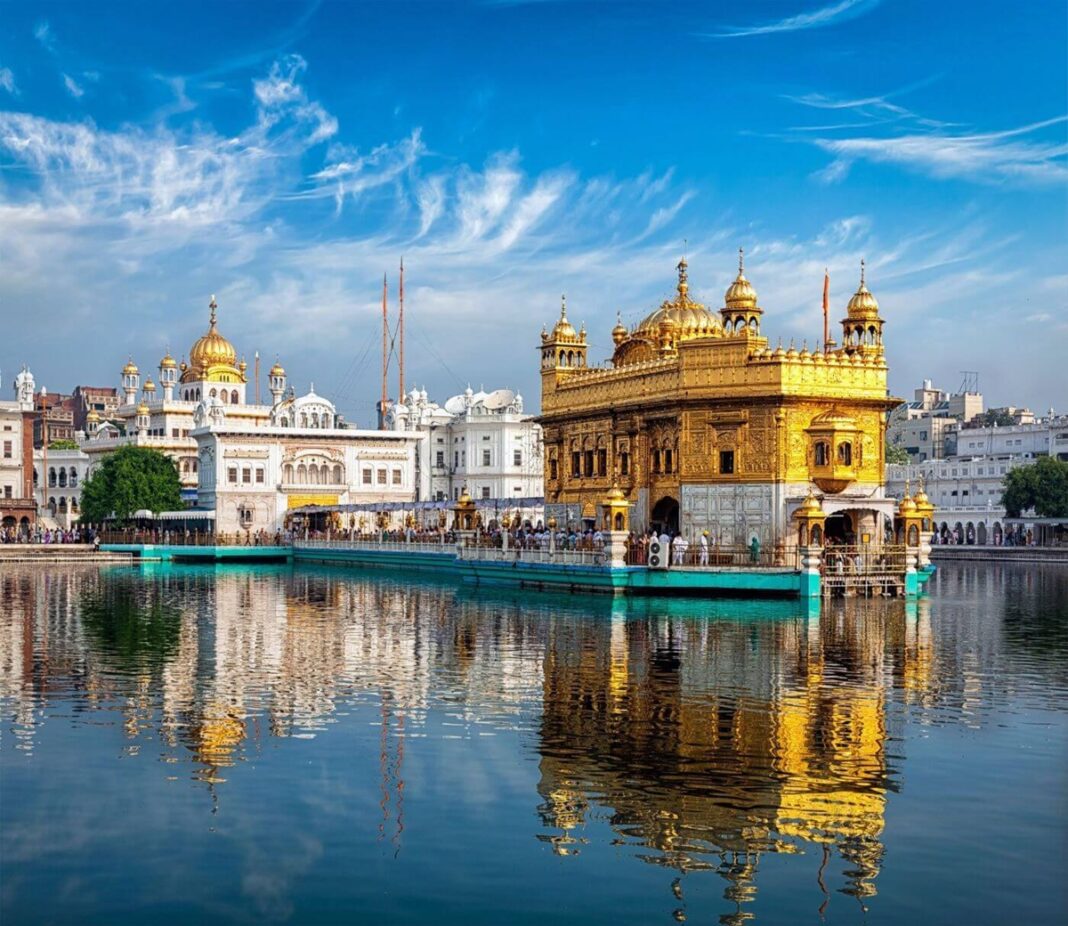
Spiritual tourism centered around gurudwaras across the Indian subcontinent provides travelers with deep cultural heritage, tranquil environments, and uplifting humanitarian practices. Planning a pilgrimage around iconic gurudwaras to visit in India introduces visitors to historical shrines that represent equality, devotion, and community service.
The Harmandir Sahib, globally known as the Golden Temple in Amritsar, serves as the spiritual heart of Sikhism, attracting millions with its golden architecture and sacred Amrit Sarovar. In the national capital, Delhi, Gurudwara Bangla Sahib stands as an essential urban sanctuary, renowned for its serene holy pond and massive community kitchen that feeds thousands daily.
Why Are These Gurudwaras Historically Important?
Takht Sri Patna Sahib in Bihar holds immense historical reverence as the birthplace of the tenth Sikh Guru, Guru Gobind Singh, housing rare personal relics and showcasing beautiful white marble architecture. Other significant Gurudwaras, including Gurudwara Hemkund Sahib in Uttarakhand and Takht Sri Hazur Sahib in Maharashtra, mark vital milestones in the evolution of Sikh faith.
Every Gurudwaras operates on the foundational core principle of seva, offering free community meals called langar and warm hospitality to all people without social or economic distinction. The peaceful kirtan recitations, intricate architectural craftsmanship, and inclusive welcoming atmosphere make these destinations uniquely enriching for historical enthusiasts and spiritual seekers alike.
Embarking on a journey across these revered shrines offers profound insights into living cultural traditions. By visiting these historical sites, travelers experience genuine peacefulness, inspiring community heritage, and timeless spiritual teachings.
