


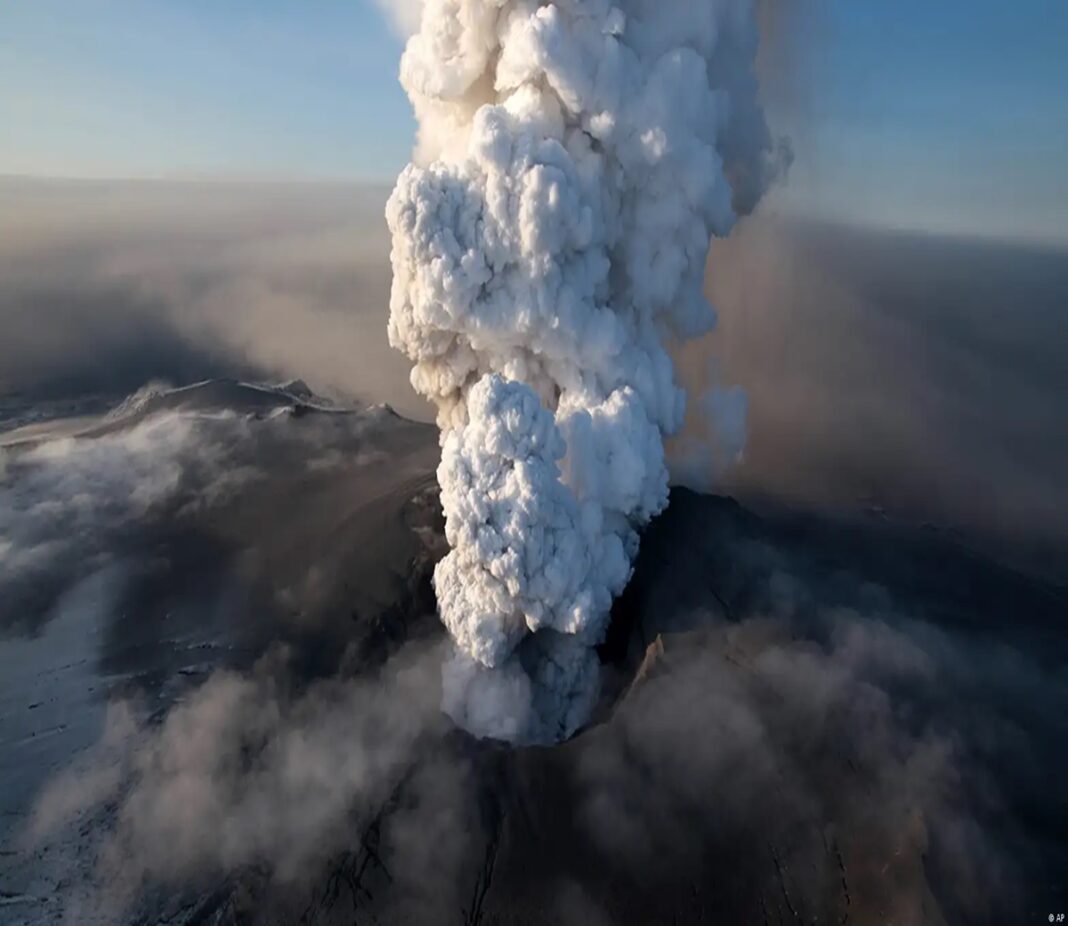
Indonesia faced severe operational disruptions across Southeast Asia after geological authorities issued emergency warnings regarding volcanic ash hazards. Aviation officials confirmed that airport closures were enforced to protect passenger safety, stranding approximately 1.7 lakh international and domestic fliers.
Indonesian geological and civil aviation agencies issued shutdown orders after Mount Anak Krakatoa erupted with significant force, ejecting giant ash columns high into the upper atmosphere. Volcanic ash contains abrasive microscopic glass and rock particles that can melt inside hot aircraft engines, causing catastrophic engine failure, blunted windshield visibility, and compromised navigation systems.
How Is Indonesia Tackling The 1.7 Lakh Fliers Crisis?
Indonesia’s unexpected airport closures left over 1.7 lakh travellers grounded at terminal gates across affected regional transportation hubs. Major international airlines suspended scheduled departures, diverted airborne flights to alternate airports, and initiated ticket refunds or rebooking procedures. Airport authorities deployed emergency assistance desks to manage congestion, provide basic amenities, and coordinate temporary hotel arrangements for displaced passengers.
Aviation safety inspectors and meteorologists are continuously conducting high-altitude air quality checks and monitoring prevailing wind vectors. Flight operations will resume only after satellite tracking confirms that airborne volcanic ash clouds have dissipated sufficiently to guarantee safe atmospheric conditions for commercial aviation.
Volcanic activity presents ongoing challenges for aviation networks operating along the Pacific Ring of Fire. Coordinating real-time atmospheric tracking with swift civil aviation safety responses remains vital to protecting passenger safety during major geological events.
