


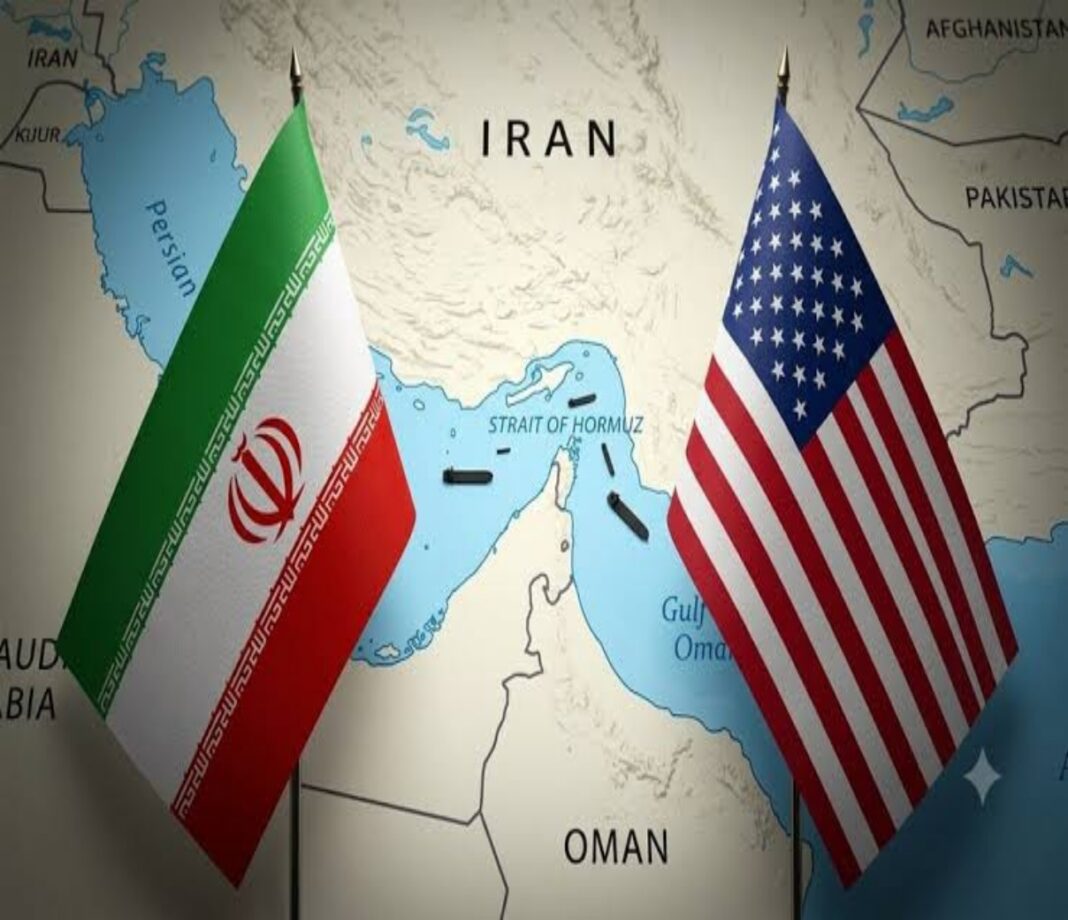
Iran diplomacy remains at the centre of efforts to resolve Tehran’s conflict with the United States and Israel after US President Donald Trump said he rejected an Iranian peace proposal involving the Strait of Hormuz.Iranian Foreign Minister Abbas Araqchi said Tehran’s conditions for reopening the crucial waterway remain clear. He argued that only a negotiated settlement could break the current deadlock.
Iran announced its proposal during the UN General Assembly in New York and said it had been transmitted to Washington through Qatari mediators. Trump later publicly rejected the plan, saying Iran wanted an agreement because it was under mounting pressure.However, Araqchi said mediators had not formally informed Tehran of a definitive US rejection. Iran would wait for an official response before deciding its next move.
Iran Peace Plan: What Are Tehran’s Key Conditions?
Iran plan could begin a seven-day countdown toward reopening the Strait of Hormuz and pausing regional fighting if an agreement is reached. Wider negotiations could then begin on subjects accepted by both sides.Iran’s nuclear programme could potentially become part of those discussions. Trump has maintained that Tehran must never obtain a nuclear weapon. An Iranian official, however, told Reuters that Tehran would not make concessions over what it considers its nuclear rights, including uranium enrichment.
President Masoud Pezeshkian has also said Iran is prepared for negotiations over its nuclear programme and other issues, while rejecting what he described as coercion.The conflict, which began with US and Israeli attacks on February 28, has disrupted oil flows through the Strait of Hormuz and affected the global economy. Thousands have been killed as fighting has spread across the region.With shipping disruption continuing and economic pressure mounting, renewed Iran diplomacy remains a closely watched path toward reopening Hormuz and reducing regional hostilities.
