


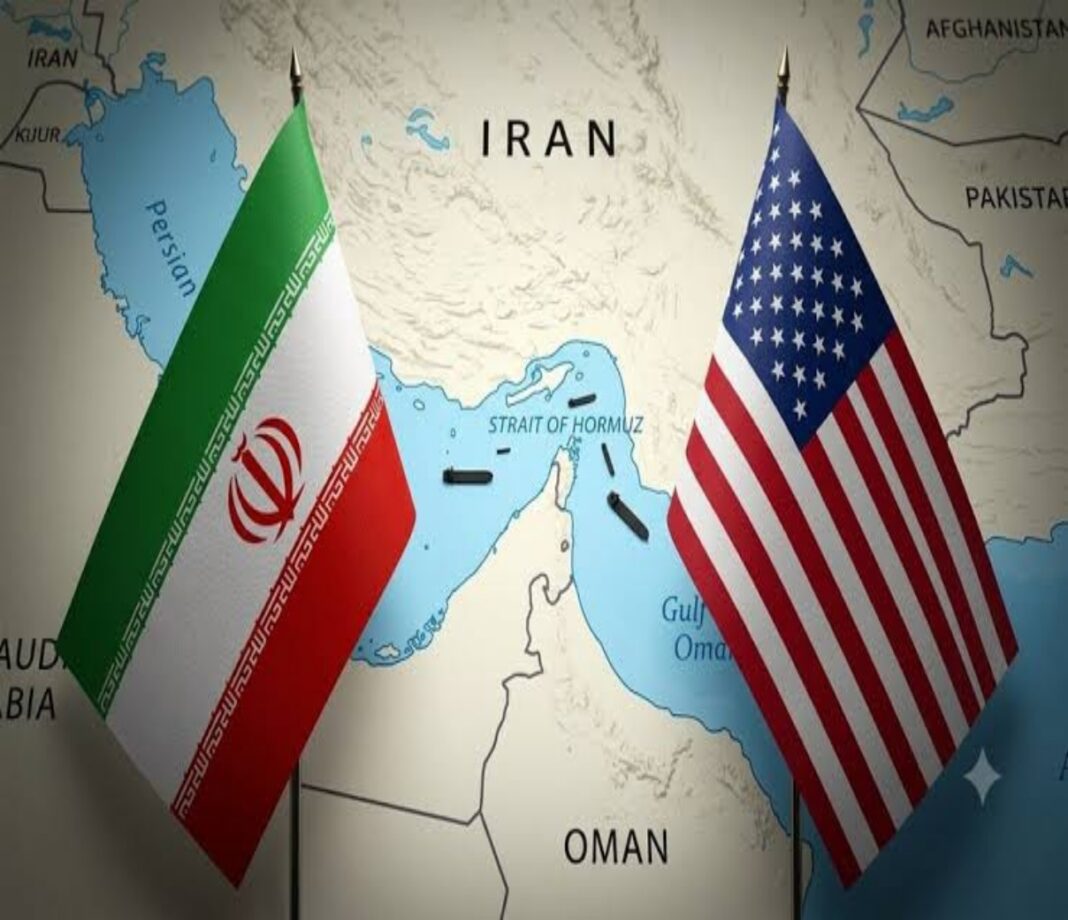
Iran submitted a structured peace proposal at the United Nations General Assembly aimed at reducing regional military tensions. Foreign Minister Abbas Araghchi said the plan outlines a seven-day roadmap to end hostilities and was conveyed to US officials through international intermediaries. The proposal links reopening maritime corridors with sanctions relief and ending military blockades.
Under the roadmap outlined by Foreign Minister Araghchi, all active hostilities in the region must cease immediately during the seven-day window. Tehran requires the United States to unfreeze over twelve billion dollars in Iranian assets, grant waivers on Iranian petroleum exports, and lift naval blockades surrounding key Iranian ports. Upon fulfilling these mutual commitments, Iran promises to fully reopen the Strait of Hormuz on the seventh day and immediately launch comprehensive nuclear negotiations.
Iran Offer Spurs Reactions From US And Global Mediators
Iran remains engaged in indirect talks with American representatives through Qatari intermediaries during UN meetings in New York. US officials said Washington remains open to constructive dialogue but will assess operational guarantees before accepting binding terms. European powers have urged both sides to use negotiations to prevent further disruptions to global shipping and energy markets.
Restoring unrestricted navigation through the Strait of Hormuz would immediately stabilize global oil pricing and lower international maritime insurance premiums. For Iran, securing asset unfreezing and crude export waivers provides essential financial relief amid severe domestic inflation. Successful execution of the seven-day framework offers a structured pathway to halt escalating warfare and establish long-term regional security protocols.
