


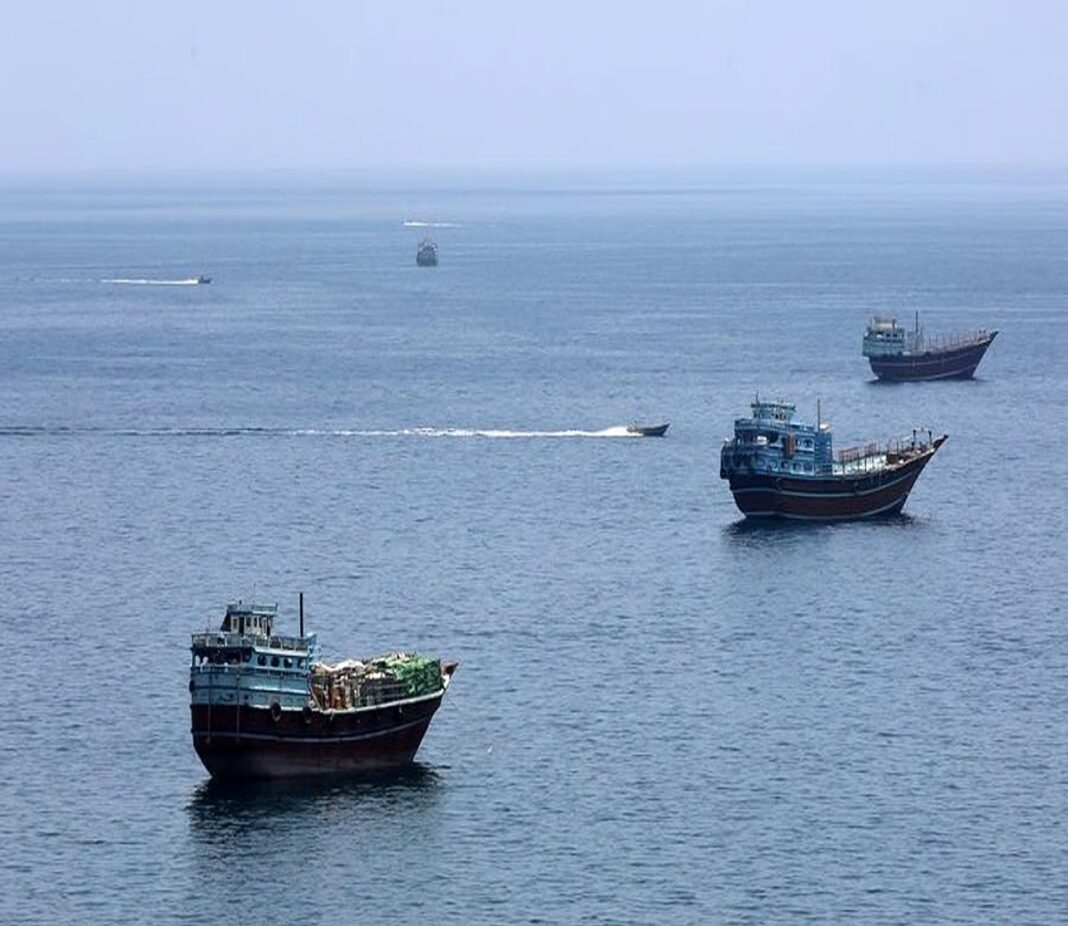
Iran plans to block routes it considers illegal in the Strait of Hormuz, adding fresh uncertainty around one of the world’s most important energy shipping corridors.Mohammadreza Naqdi, an adviser to the commander of Iran’s Revolutionary Guards, told that several routes near Oman’s coast would soon be closed.Naqdi alleged that the passages were created by blasting and damaging rocky areas in the strategic waterway. He claimed they were being used by small boats to smuggle oil before transferring it to tankers.
The Strait of Hormuz routes are crucial for global energy supplies because large volumes of crude oil and other petroleum products traditionally move through the narrow waterway connecting the Persian Gulf with the Gulf of Oman.Naqdi claimed the Strait of Hormuz remained closed and that Iran’s armed forces had full control over it. He said that situation would continue until Tehran’s demands were met.His comments come as data indicates regional crude exports have increased despite continuing tensions.
Iran Rejects Claims Of Hormuz Shipping Recovery
Iran’s Revolutionary Guards have disputed claims that seaborne crude traffic through the Strait of Hormuz is recovering with assistance from the US Navy. However, provisional Kpler data showed the seven-day moving average for regional crude exports reached 18.3 million barrels per day on September 30, with volumes exceeding pre-war levels on 14 days during September. The figures included Gulf oil transported through Hormuz and the Red Sea, along with terminal shipments and ship-to-ship transfers in the Gulf of Oman.
Another IRGC adviser, Majid Mirahmadi, recently said an average of only 10 ships were passing through the waterway each day, compared with about 125 before the war.Despite stronger September oil flows, attacks on tankers and logistical difficulties continue to raise questions about whether higher export volumes can be maintained.Any further restrictions around Hormuz could therefore remain closely watched by energy markets and international shipping operators.
