


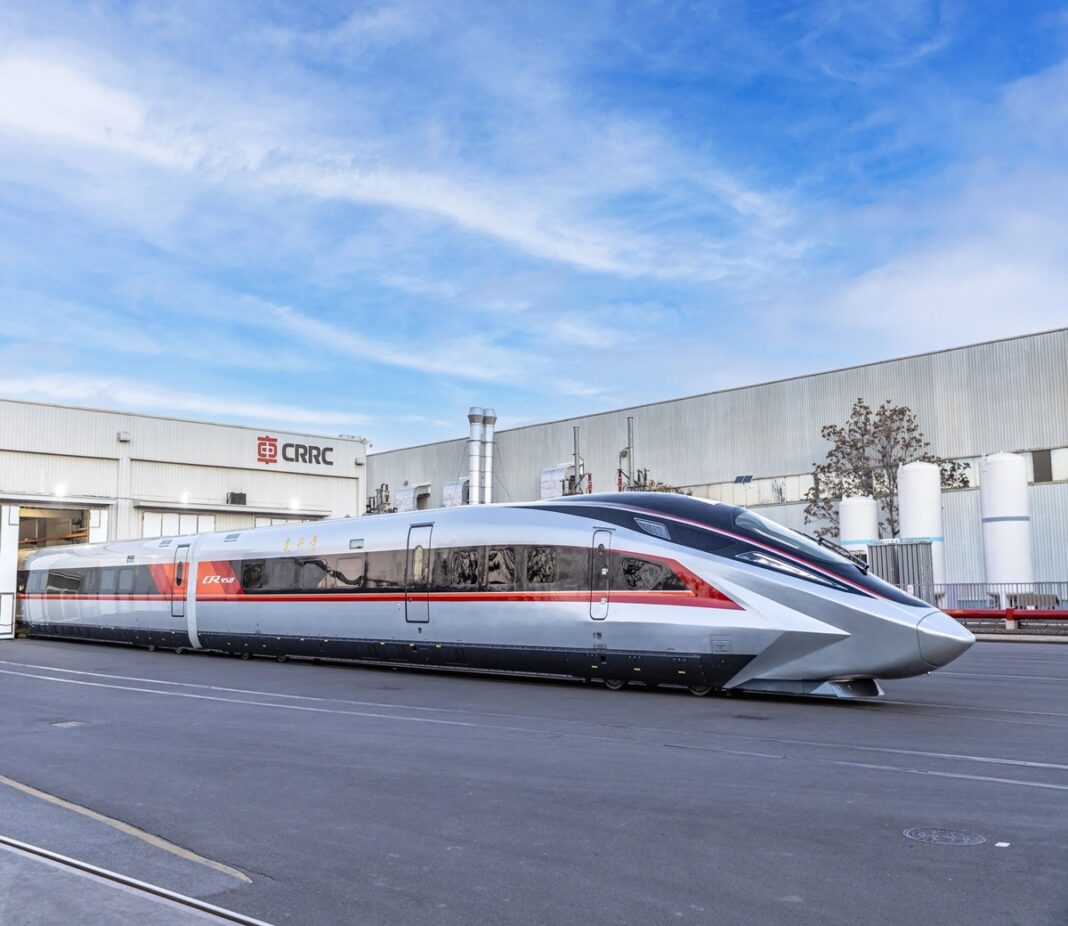
Japan and China are driving a dramatic evolutionary era in global transportation engineering as Asian nations push the boundaries of high-speed overland transit. Technological race updates confirm that developing the fastest train that would beat airplanes relies on advanced magnetic levitation principles that bypass conventional wheel-on-rail friction limits.
Unlike conventional trains that rely on physical steel wheels, maglev systems utilize powerful electrodynamic levitation to suspend train cars above specialized guideways. Superconducting magnets create magnetic repulsion forces that lift and propel the vehicle forward effortlessly. By eliminating mechanical friction and incorporating low-vacuum tube tracks to minimize air resistance, these vehicles achieve unprecedented speeds, cutting total city-to-city travel durations below typical airport boarding, takeoff, and flight timelines.
Can Japan And China Win The Maglev Race?
Japan continues developing its L0 Series SCMaglev for the Chuo Shinkansen line, aiming to connect Tokyo and Osaka in roughly sixty-seven minutes at planned operating speeds of five hundred kilometers per hour. Concurrently, China is testing high-speed maglev prototypes and low-vacuum tube pipelines designed to reach speeds between six hundred and eight hundred kilometers per hour. These ongoing engineering trials position both nations as pioneering forces in next-generation high-speed passenger mobility.
High-speed maglev networks consume significantly less energy per passenger-kilometer compared to commercial passenger jets while operating entirely on electric grid power. Replacing short-haul domestic flights with zero-emission ground transport reduces aviation carbon emissions while delivering seamless downtown-to-downtown connectivity.
Achieving ground speeds rivaling commercial air travel promises to fundamentally transform global travel habits. Continuous innovations in magnetic levitation position ground transport as the future backbone of high-efficiency international infrastructure.
