


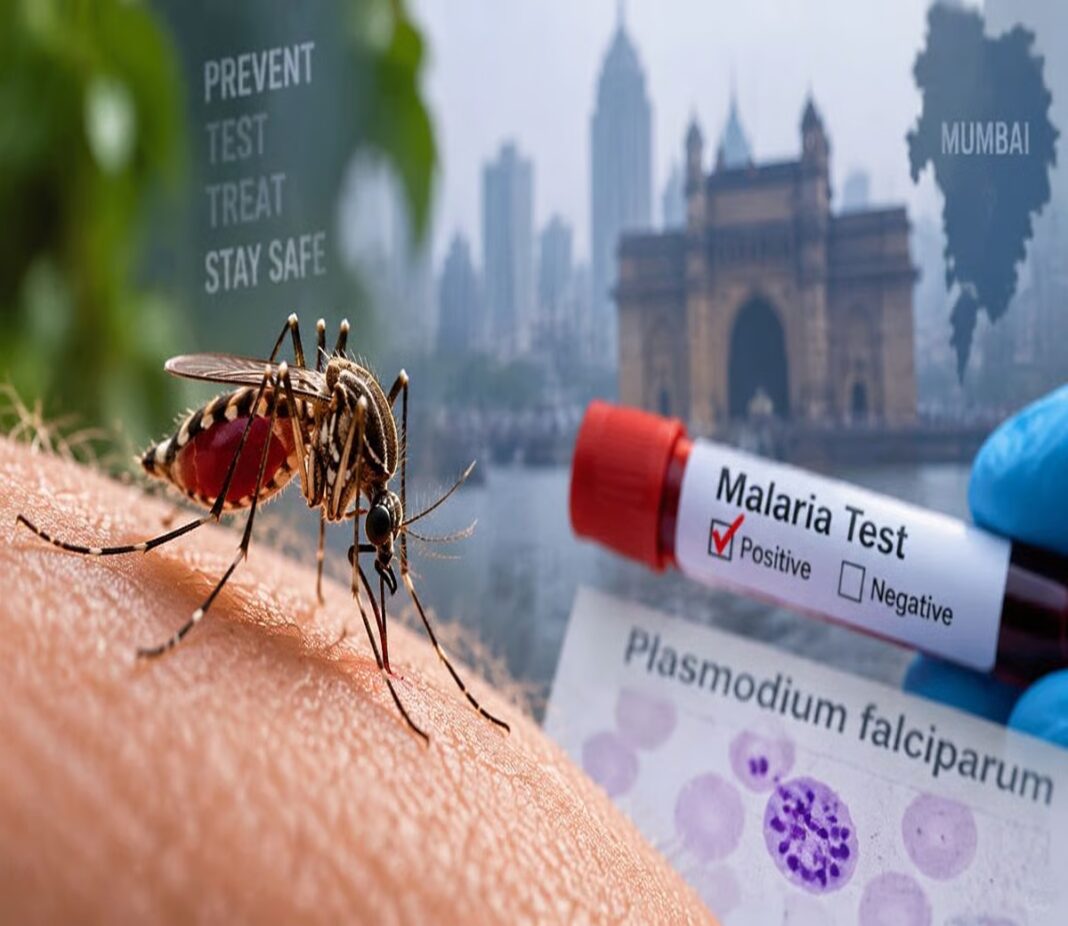
Municipal health data confirms that high risk malaria active in Mumbai has increased dramatically, with cases of the dangerous Plasmodium falciparum parasite surging 535% over the past decade. According to reports from the Brihanmumbai Municipal Corporation, annual falciparum infections rose from 375 to 2,382, driving the deadly strain’s share of total citywide malaria cases from 5% to over 25%.
State entomologists and medical experts attribute the post-pandemic surge largely to increased inter-state labor migration from high-prevalence regions in eastern India, combined with persistent year-round breeding populations of Anopheles mosquitoes. High rainfall, water logging, and dense urban construction sites create ideal environmental conditions for vector multiplication, expanding potential transmission zones across both residential and commercial city sectors.
Which Malaria Symptoms Need Urgent Care In Mumbai?
In Mumbai, Plasmodium falciparum malaria can be more severe than common Plasmodium vivax infections because infected red blood cells may obstruct small blood vessels and affect vital organs. Warning signs include high fever, rapidly falling hemoglobin, jaundice, nausea, kidney dysfunction, confusion or seizures. Because early symptoms can resemble viral illness, delayed diagnosis may increase the risk of cerebral malaria, severe anemia, organ failure and other life-threatening complications requiring urgent hospital treatment.
Physicians strongly advise anyone developing high fever, severe dehydration, or dark urine to undergo diagnostic blood testing immediately rather than relying on self-medication or over-the-counter drugs. Early medical intervention ensures rapid recovery without long-term health complications.
