


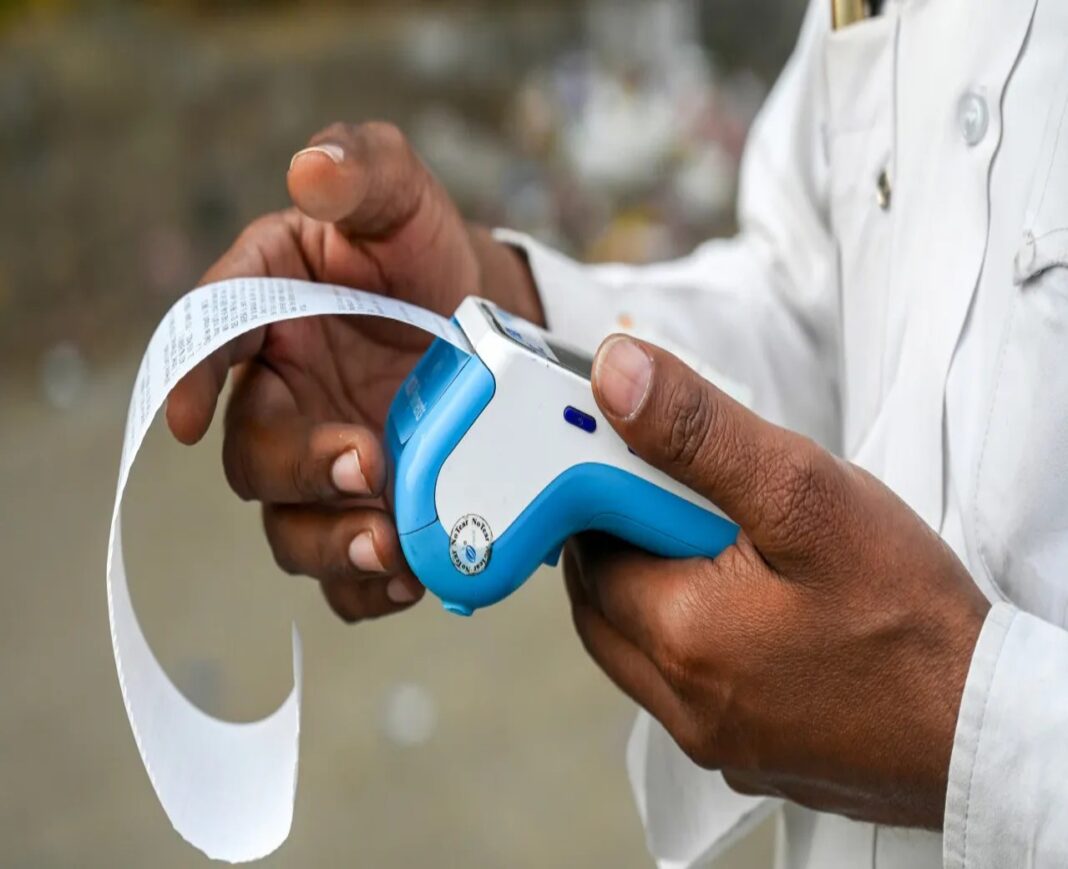
SC e-challan order has clarified the legal position on recovering unpaid traffic fines, with the written directions making no provision for linking outstanding challans to electricity bills. The electricity-bill proposal was an oral suggestion made during the hearing and was not included in the uploaded order.The distinction is significant because earlier reports highlighted the court’s suggestion that unpaid traffic fines could potentially be added to electricity bills to improve recovery. However, the formal order focuses on vehicle-related restrictions and enforcement measures rather than utility bills.
States and Union Territories have been directed to freeze online services connected with vehicles carrying outstanding challans. Authorities must also prevent registration certificate renewals, duplicate certificates and ownership transfers until pending fines are cleared.Fitness certificates must also be denied to vehicles with unpaid traffic fines. Vehicles carrying outstanding challans should be blacklisted on the Parivahan portal, potentially preventing owners from completing sales or ownership transfers.
SC Tightens Rules For Unpaid E-Challans
SC directed authorities to deny Pollution Under Control certificates until outstanding traffic fines are cleared. Driving licence renewals may also be blocked for multiple violations, while existing licences could face suspension. The court further strengthened enforcement through random vehicle checks, allowing authorities to identify vehicles carrying unpaid e-challans. If outstanding fines remain unpaid, officials can take necessary steps to impound the vehicle as part of stricter recovery measures.
The court was informed that approximately ₹49,194.05 crore was recoverable from e-challans, while about ₹26,175.05 crore had been recovered, leaving more than ₹23,000 crore outstanding.The Supreme Court stressed that simply generating large numbers of e-challans is insufficient without an effective mechanism for collecting penalties.The written order therefore strengthens traffic fine recovery through vehicle services, digital enforcement and compliance restrictions, while leaving the electricity-bill idea outside the formal directions.
