


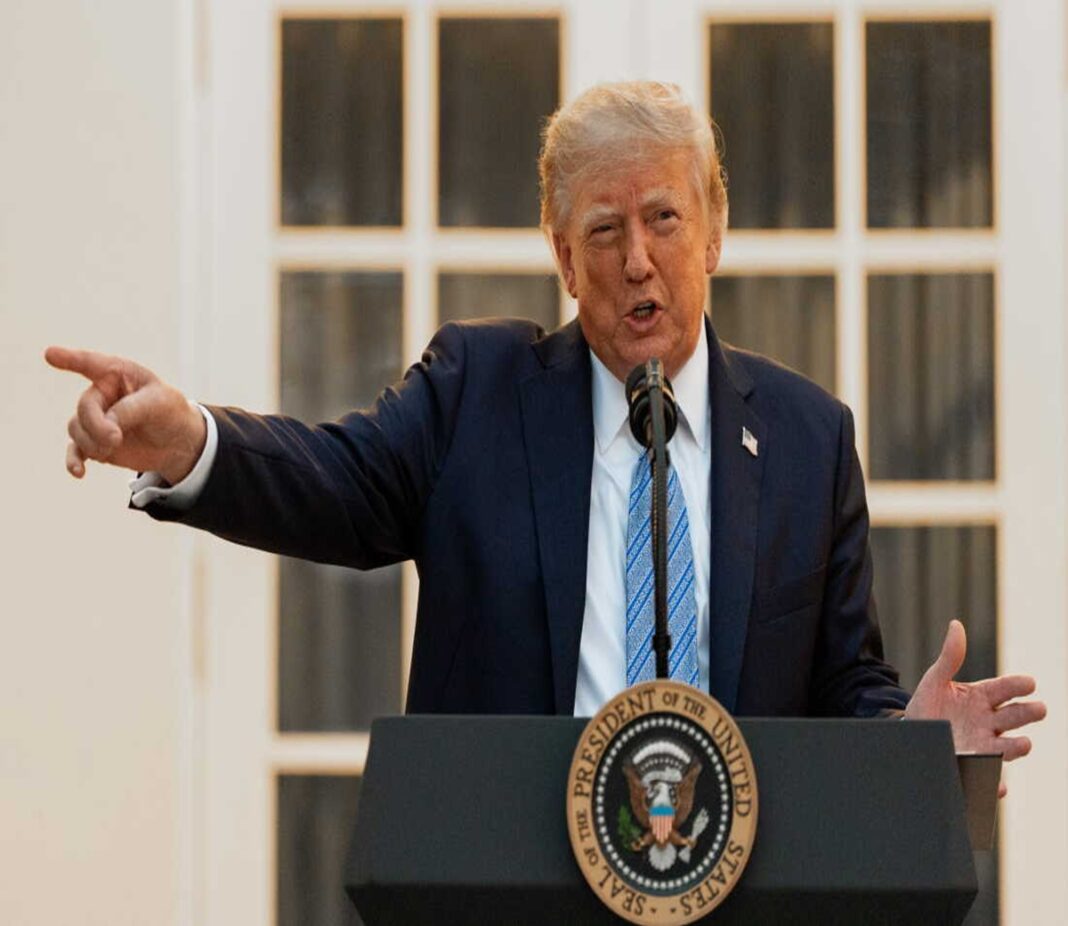
Official white house communications confirm that President Donald Trump signs Russia sanctions bill after the Republican-led House of Representatives passed the Lindsey Graham Sanctioning Russia and Iran Act of 2026 by a 262-159 vote. The statutory package aims to restrict financial capital funding Moscow’s military campaign in Ukraine by penalizing global financial and trade facilitators.
The enacted legislation authorizes executive discretion to impose import duties up to 100% on goods originating from countries maintaining substantial purchases of Russian crude oil and natural gas. This targeted mechanism specifically impacts major buyers including India and China, which expanded maritime crude purchases following initial Western restrictions. Additionally, the act directs direct levies up to 500% on direct Russian product imports while expanding restrictions against shadow fleet operations and Iranian military supply chains.
How Are Govts Responding To Trump Tariff Threats?
Ukrainian leaders welcomed Trump-backed legislation as an important strategic step toward restricting funding for Russia’s military operations. Meanwhile, Indian trade authorities reaffirmed their commitment to diversified energy sourcing to safeguard domestic fuel stability. International market analysts say the impact of potential trade penalties will largely depend on diplomatic negotiations, particularly discussions over executive waiver powers, before enforcement measures take effect across global energy and commercial markets in coming months.
Treasury and Commerce Department officials will soon publish regulatory guidance and compliance monitoring frameworks to evaluate foreign entity transactions. This upcoming documentation aims to establish clear enforcement criteria and oversight protocols for international energy purchasers under the newly enacted sanctions legislation.
