


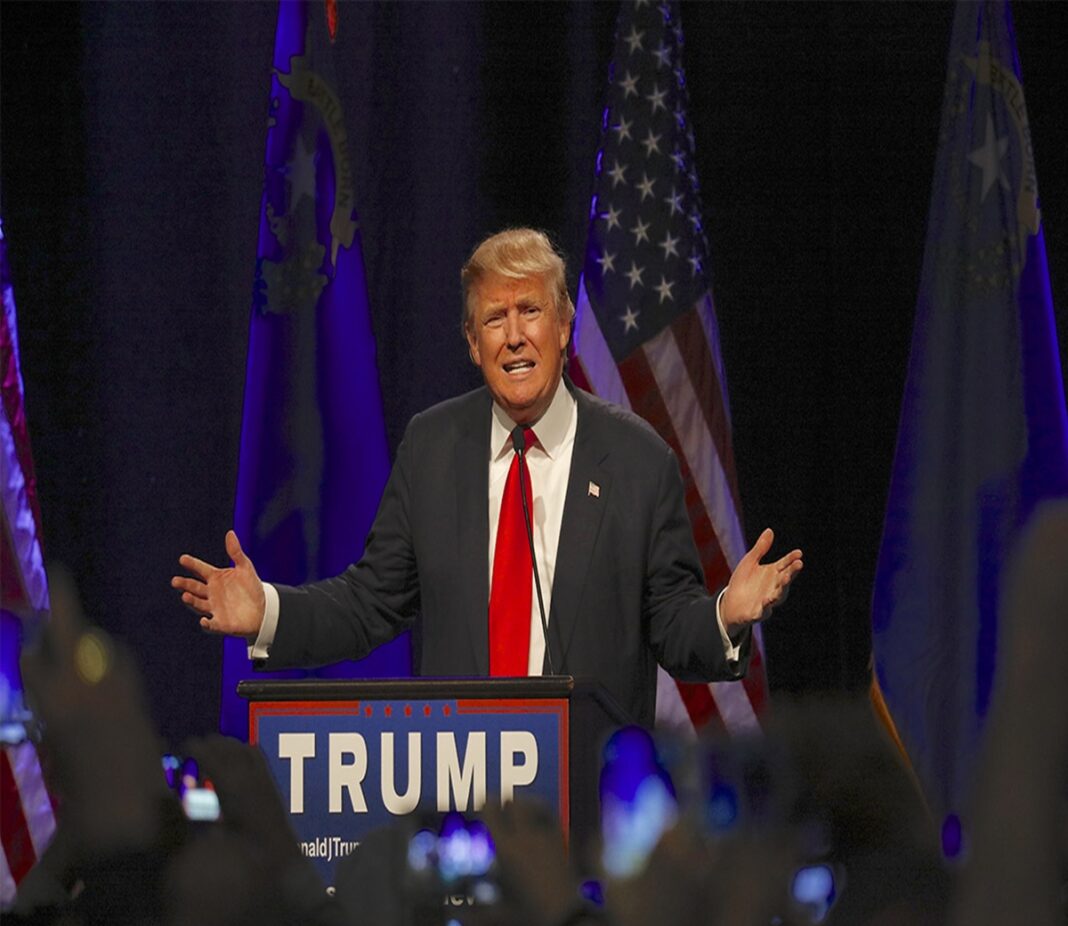
Speaking at the Irish Open trophy ceremony, US President Donald Trump stated he would remove the 10 percent import duty on Irish whiskey because key figures repeatedly requested the adjustment. Leaders including Irish Prime Minister Micheál Martin, prominent trade representatives, and professional golfers such as tournament winner Shane Lowry actively raised the issue, prompting the administration to action.
Lifting the 10% trade tax addresses a major commercial imbalance created when Washington removed similar restrictions on United Kingdom spirits, including Scotch and Northern Irish whiskies. Industry groups like the Irish Whiskey Association and the Distilled Spirits Council of the United States praised the decision, noting that removing import duties reduces operational costs for distributors while providing critical supply stability for American hospitality businesses entering peak holiday sales seasons.
Why Did Trump Impose And Roll Back Trade Barriers?
Trump’s administration initially imposed duties on various European Union goods before reducing the tariff rate from 15% to 10% in July. Following diplomatic negotiations and sustained industry lobbying, officials recognized the economic benefits of restoring zero-for-zero trade. Removing the duties could protect traditional distilling industries, reduce consumer prices, simplify international trade logistics and strengthen commercial ties between the United States and Europe.
Although official administrative timelines for formal implementation remain under development, distillers are preparing to optimize their global distribution networks immediately. Restoring duty-free status enables Irish brand exporters to regain market momentum in North America while strengthening long-term trade relations between European distillers and American commercial enterprises.
