


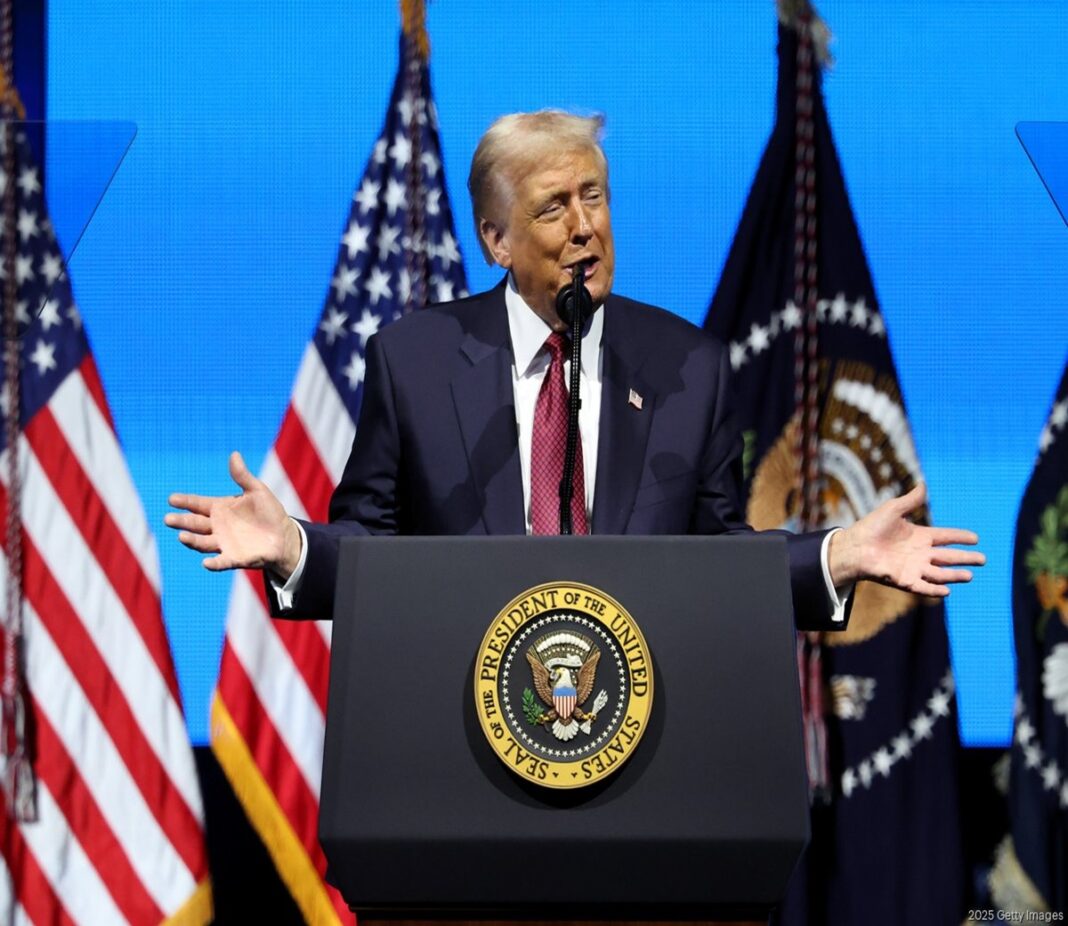
The Trump administration has officially requested the US Supreme Court to lift a lower court order blocking its new mail-in voting regulations. The challenged Postal Service rule requires states to provide specific voter eligibility lists and standardized barcoded envelopes before processing mail-in ballots. Federal attorneys argued that the injunction impedes legitimate election security measures, while opposing state officials contend the restrictive guidelines usurp local administration power and risk disenfranchising millions of mail voters shortly before the upcoming midterms.
The Justice Department has escalated its legal defense of executive election reforms by appealing directly to the nation’s highest tribunal. The filing seeks an immediate stay against an injunction targeting the presidential executive order that empowers the US Postal Service to enforce stricter handling guidelines for nationwide mail ballots.
Why Trump Is Challenging Mail-In Voting Order?
Government attorneys maintain that the Postal Service regulations are modest administrative measures designed to protect election integrity and streamline processing. They contend that judicial orders blocking the policy prevent federal agencies from establishing uniform security standards ahead of the upcoming midterm elections.
Opposing state attorneys general and voting rights coalitions assert that the rule imposes unconstitutional burdens on local election jurisdictions. They emphasize that requiring unique barcoded envelopes and validated federal voter files threatens to delay ballot transit, causing significant administrative disruption and potential voter disenfranchisement.
If the high court grants the emergency stay sought by the Trump administration, the Postal Service will gain immediate authority to enforce compliance criteria on state election boards. Conversely, maintaining the judicial blockade will preserve traditional state-level mail ballot processing procedures without federal list-verification mandates.
Legal experts observe that the Supreme Court’s response will establish a vital precedent regarding federal agency intervention in state-administered voting mechanics. As mailing deadlines for early ballots near, this high-stakes appellate ruling will determine the operational framework under which millions of absentee votes are processed nationwide.
