


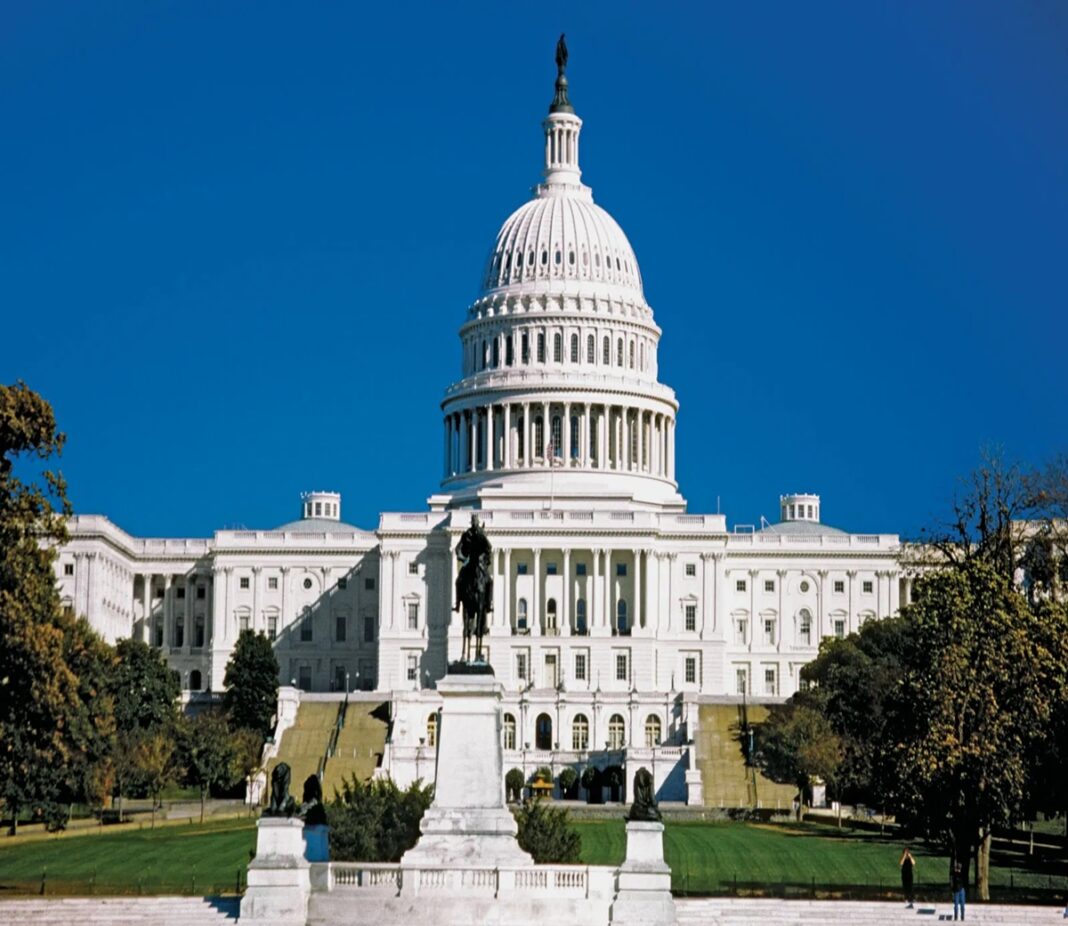
The US Congress passes Russia sanctions bill to severely limit financial revenues funding ongoing military operations in Ukraine. Formally titled the Lindsey O. Graham Sanctioning Russia and Iran Act of 2026, the legislation passed the House of Representatives in a 262 to 159 vote following earlier Senate approval. This major legislative action empowers the executive branch to clamp down on international energy trade while reinforcing existing sanctions frameworks against Iran.
The primary enforcement mechanism authorizes the president to impose tariffs of up to 100% on major nations purchasing Russian crude oil and natural gas, specifically targeting major global buyers such as China and India. Additionally, the legislation targets Russian financial institutions, military leadership, and the shadow fleet of oil tankers used to circumvent Western price caps. However, built-in waiver provisions allow exceptions for nations importing less than 15 percent of their natural gas from Russia or taking verifiable steps to reduce energy reliance.
How Could US Secondary Tariffs Reshape Global Trade?
US supporters argue that secondary tariff powers provide vital economic leverage to push Russia toward diplomatic negotiations and restrict funding for Moscow’s military operations. However, opposing lawmakers warn that granting broad discretionary authority to the executive branch could trigger widespread unilateral tariffs, strain US trade relations with global allies, disrupt international commerce, and potentially increase consumer costs across domestic markets.
The legislation now moves directly to President Donald Trump’s desk, where official executive signature will enact the bill into federal law and initiate enforcement schedules across federal departments.
