


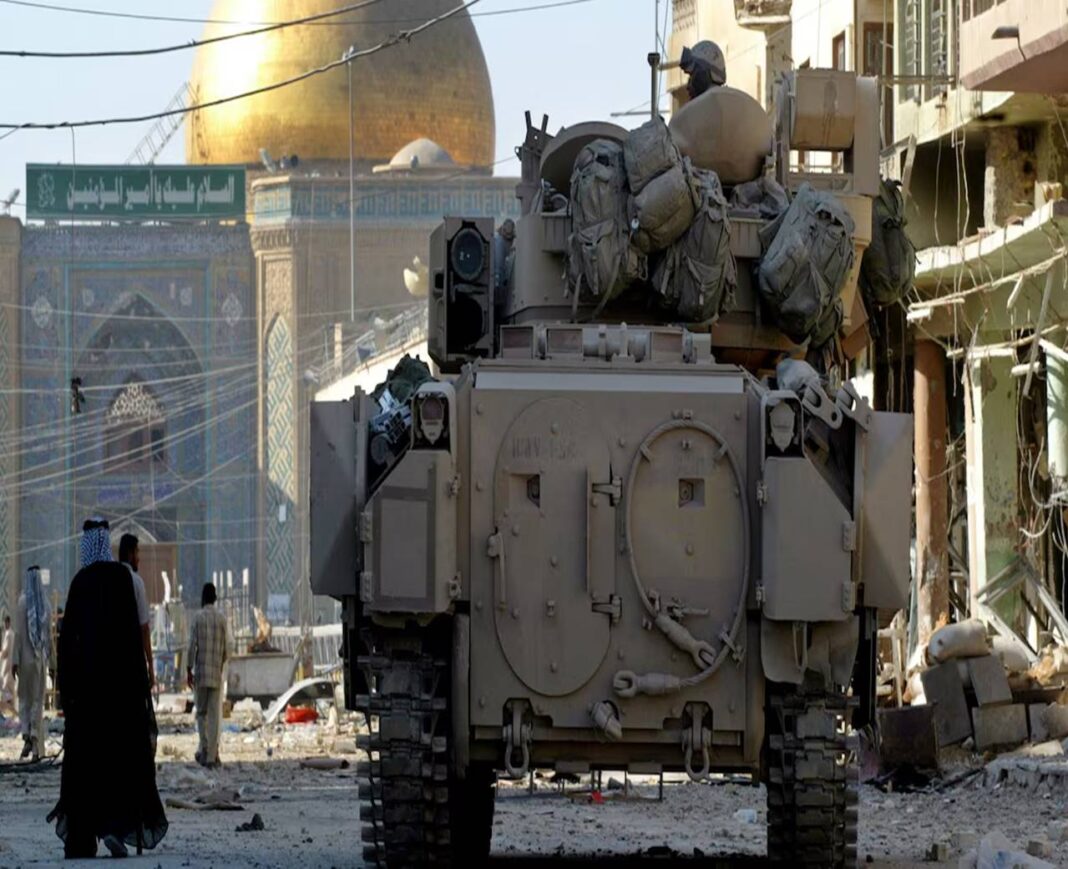
US military personnel are completing their withdrawal from long-held installations across Iraq, marking a significant shift in Middle Eastern geopolitics. Official reports confirm that US forces are exiting Iraq after more than two decades of military involvement that began with the 2003 invasion. The withdrawal transfers responsibility for the country’s domestic security and defence to Iraq’s armed forces.
The complete military drawdown follows bilateral diplomatic agreements negotiated between Washington and Baghdad to transition the international security coalition into bilateral defense partnerships. Following years of counter-terrorism operations against extremist groups, both governments determined that local security infrastructure could maintain primary territorial control.
US Military Exit Reshapes Iran’s Power And Iraq Security
US military withdrawal is viewed by Tehran and allied regional political factions as a strategic gain, reducing a significant military counterweight in Iraq. Some defence analysts warn that the resulting security gap could expand Iranian influence over Iraqi politics while potentially creating opportunities for remaining Islamic State sleeper cells to increase their activities.
Sunni tribal representatives and Kurdish security officials expressed apprehension that Iraqi forces remain under-equipped to manage emerging security threats without coalition support. Analysts emphasize that safeguarding long-term stability requires disarming non-state armed groups and maintaining strong intelligence networks against counter-insurgency risks.
